School and Campus Water Extraction
School Water Extraction
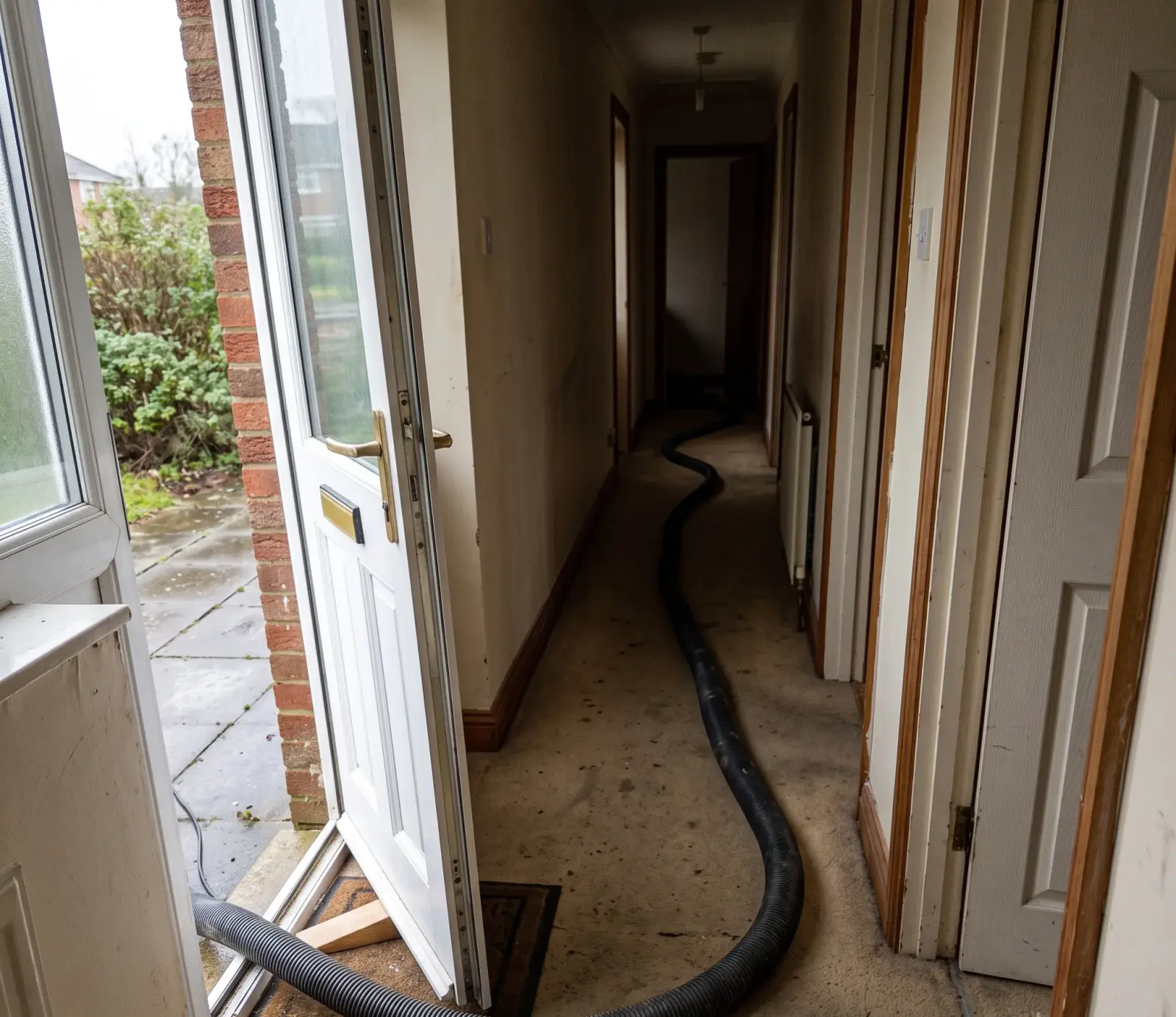
Coordinate room access, operating hours, and guest routes before emergency water removal begins.
The cost of hotel water extraction can shift with water volume, floor access, and work timing. Set priority areas with operations, reserve a route for removal equipment, and schedule room access with facilities. Ask the pros we connect you with to describe the removal scope and coordination needs.
Hotel water extraction costs shift with the area involved, the route equipment must take, and the hours available for work. Scheduling shapes whether guest services can continue nearby or need temporary adjustments. A clear plan links facilities knowledge with operating needs. It gives the pros we connect you with practical details for proposing emergency hotel water removal around the property’s schedule.
Location pages identify places with their own pages; requests from other areas connect through the same referral. For a hotel, hospitality water removal planning starts with the property’s affected spaces and operating constraints. Share those details with an independent extraction provider. Ask what locations and coordination steps the proposed work would involve before arranging access.
Facilities staff can identify building access rules, while hotel operations knows when guest services are busiest. Bring both perspectives into the initial conversation. A front desk lead may flag arrival periods; engineering may explain which service doors or elevators are available. One decision contact can resolve schedule changes without sending guests through a work area.
Start with a working list of affected rooms and shared spaces, marking what staff have confirmed and what still needs review. Include the floor and the nearest usable staff entrance. A room off a guest corridor may need a different access window than a service area near housekeeping. This gives the provider a useful basis for discussing scope.
Compare the proposed work window with check-in, meal service, housekeeping, and scheduled events. A corridor beside a meeting room may be clear early, then busy before an event. Tell the provider when traffic changes and ask which times need a clear route. Operations can then adjust assignments or direct guests around the work zone.
| Work area | Access window | Removal needs |
|---|---|---|
| Affected floor | Lobby level or guestroom floor | Directs the provider to the right entry point |
| Service route | Back corridor, freight lift, or loading door | Keeps equipment movement off guest paths |
| Quiet periods | Overnight rest or daytime meeting blocks | Helps compare practical work windows |
| Front desk handoff | Room holds and expected arrival peaks | Aligns access with changing occupancy |
| Housekeeping overlap | Linen carts or room turnover periods | Reduces conflict in narrow corridors |
| Food service timing | Meal setup or kitchen deliveries | Avoids crossings during active service |
| Meeting schedule | Ballroom setup or conference departures | Shows when nearby foot traffic may rise |
| Decision contact | Facilities lead and duty manager | Keeps access changes answerable across shifts |
Agree on how the provider will reach the affected spaces before work begins. Explain which doors require staff access, where carts or equipment may pass, and which elevators serve guest floors. A service entrance can keep movement away from the lobby. Check whether the route crosses an area that hotel staff need for deliveries or linen service.
Ask how equipment placement and movement may affect nearby hotel functions. A machine outside an occupied room may interrupt rest, while hoses across a staff passage can slow routine tasks. The provider can describe access needs for the proposed work. Hotel staff can then choose a suitable staging area and communicate any temporary route change.
Keep guests and staff out of standing water if outlets, appliances, or wiring may be wet. Do not send anyone across the area until electrical safety is clear. Tell the provider about the concern and seek qualified help when needed. A quiet work period does not make an unsafe route suitable for guest use.
When several locations are involved, ask the provider to explain the planned order and the access each stage needs. A service space may be reachable while a guest floor is busy. The schedule can account for those constraints without assuming every area must be approached at once. Confirm who can approve a change if conditions shift.
Set clear boundaries around the locations included in the removal work. If staff report water in a room the provider has not viewed, flag it before agreeing on the plan. Also identify any active leak or other source that needs separate attention. This helps the hotel and provider discuss the same work area and arrange the right handoff.
During the response, facilities and operations need the same current view of closures and route changes. Choose a contact who can pass along updates when a room or passage becomes unavailable. A short handoff at shift change can keep front desk and housekeeping instructions aligned. Revise guest routing when the work boundary moves.
If the proposed timing changes, ask what caused the change and which hotel activities it affects. Staff may need to adjust room assignments or pause deliveries along a route. Keep the next decision with someone who understands both building access and guest operations. The provider can then coordinate the revised work window with that contact.
Before reopening a work area, ask the provider which agreed locations received water removal and whether any access limits remain. Facilities can relay that status to the front desk and housekeeping. Visible water removal alone does not show that materials are dry, so treat any further assessment or drying plan as a separate decision.
To arrange emergency hotel water removal, prepare the affected-area list, entry rules, operating windows, and a property contact. Share guest-flow constraints with an independent extraction provider and ask for the proposed scope and coordination needs. Which spaces can remain open during the work? Who will update staff if access or timing changes?
The proposed plan can also identify affected materials, since furnishings and finishes may need attention beyond the visible wet area. A ballroom between events presents different scheduling constraints from a guest corridor during check-in. Facilities can list wet locations, note when each area is occupied, and flag doors or elevators that restrict access. The provider can then describe the proposed removal scope and expected work sequence. Agree on who can approve changes if water reaches another area or hotel operations need to adjust access.
A linked place has its own service page; addresses beyond those pages enter the same referral process, with page locations spanning areas includingAnniston AL, Auburn AL and Birmingham AL. Ask if an initial site visit carries a fee, then make sure the quote treats extraction and moisture drying as separate work.
Commercial quotes often start with a charge for each visit. The affected floor area and likely repeat service shape the total. $700–$1,400 provides a planning reference. Water behind fixed office desks can take longer to reach than an open floor. That changes labor and equipment needs.For businesses, water spread across separate work areas can change pump and labor needs, shifting the estimate. When calling, identify the areas still holding water, the access route, and any active source. Also note which work areas need to remain usable during removal.The pricing guide lists full cost ranges; commercial overview explains commercial removal and the checks that can guide next steps for moisture.
School Water Extraction
Restaurant Water Extraction
Healthcare Water Extraction
Set a guest boundary that leaves a clear way to reach open services. Facilities can choose a route that keeps equipment away from the lobby during busy arrival periods, then tell the front desk which passages are temporarily unavailable. Place signs at decision points and have staff direct guests around the work. If an exit or accessible route may be affected, coordinate an alternate plan before extraction begins.
Give the provider room identifiers, the hours those spaces are occupied, and any limits on doors, elevators, or loading access. Facilities should also name an operations contact who can approve schedule changes. Mention scheduled events, meal service, and housekeeping periods that overlap with equipment movement. If electrical safety is uncertain or water may be contaminated, share that before anyone enters the area.
Some services may continue if their access and staff routes remain separate from the work. Operations can identify which guest areas remain open and which functions need a temporary change. Coordinate those decisions with facilities and the provider as the work area becomes clear. Keep guests away from unsafe locations, and do not treat visible water removal as confirmation that a room is ready to reopen.
The estimate can reflect how many rooms are affected, how much water must be removed, and how readily equipment can reach each space. Restricted hours may require a different work sequence, while occupied areas can limit access. Ask the provider to state which locations and removal tasks the estimate includes. If the affected area changes, request an updated scope before the added work proceeds.
Share the affected room list, available work hours, and access limits with an independent provider to discuss the removal scope and coordination.
Call (888) 369-0191