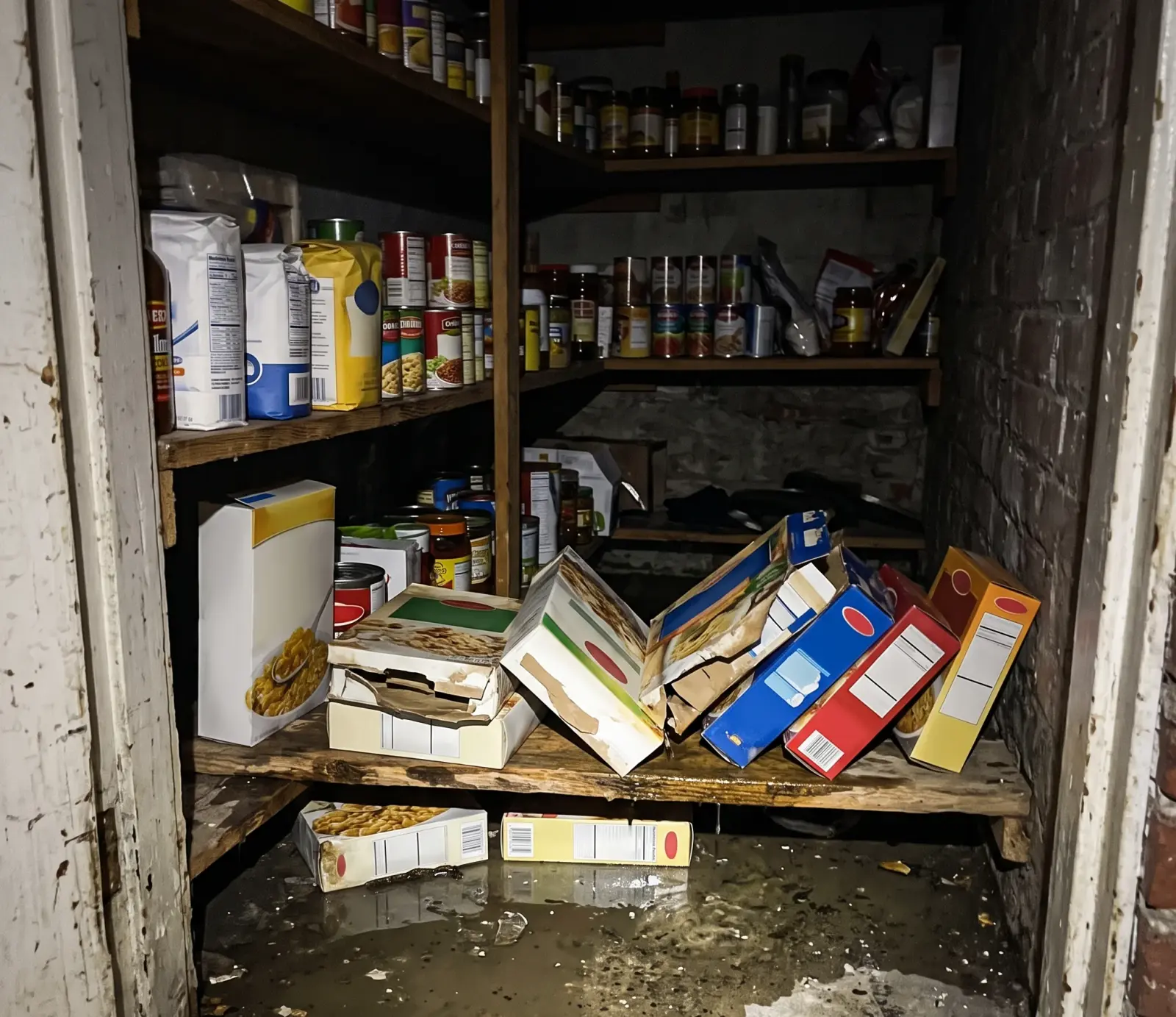
Basement Water Extraction
Listed areas have pages; the same referral connects homeowners with pros in other covered areas.
View Basement Water Extraction help in the United States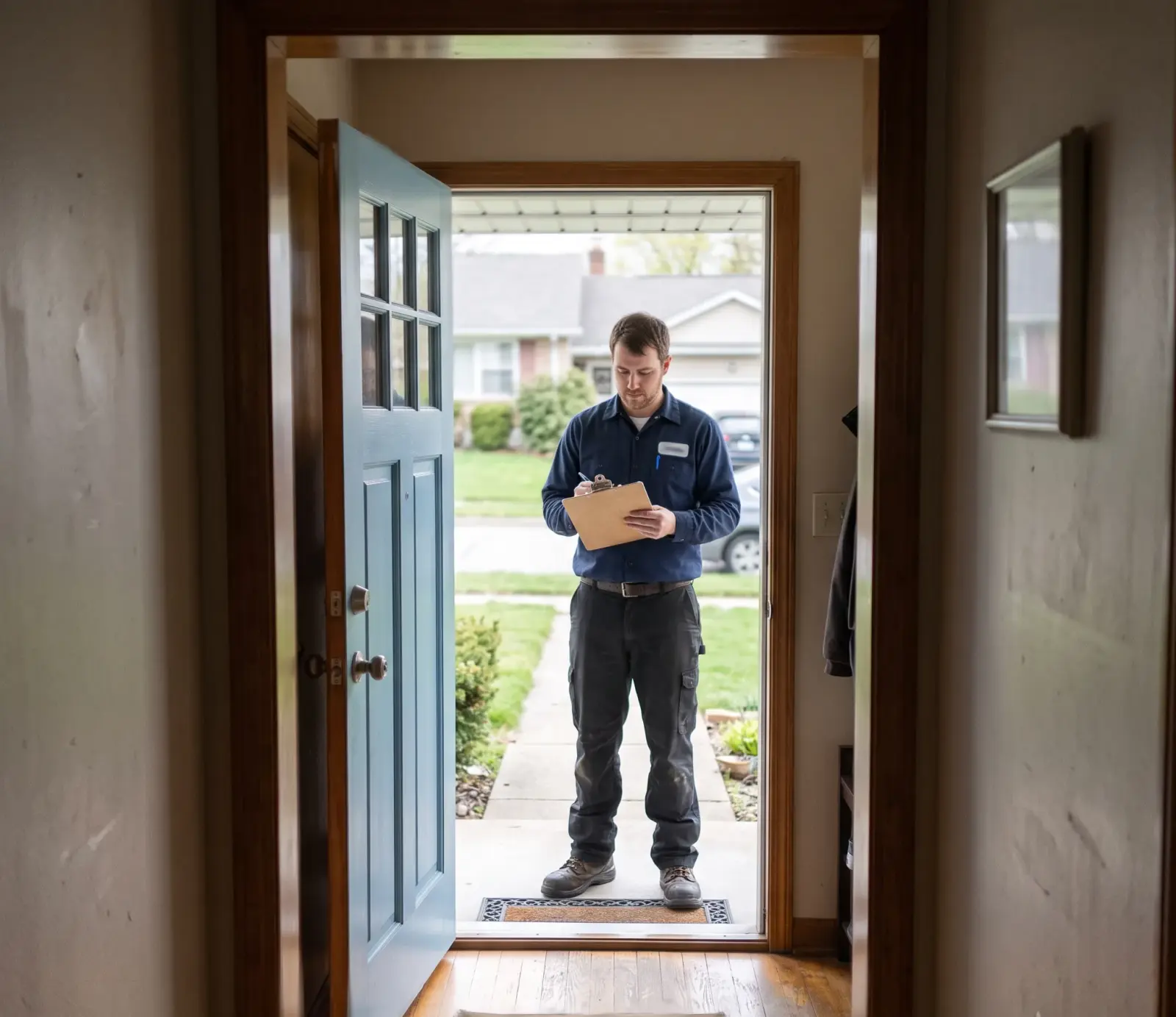
The cost of water removal changes with the amount still pooled and how far it has traveled through a home. Water near a cabinet may also reach a hallway or another floor surface before the owner finds it. Water may seep beneath flooring, so visible pooling can show only part of the affected area. Locating the source can help explain why water returns after the visible pooling is removed. That first step gives the owner a clearer account of the intrusion and what areas it reached.
Water can affect belongings and building materials beyond the place where it first collected. Finding where the water entered helps distinguish cleanup needs from source repairs. A homeowner can ask which parts of the home were checked and what further work is being recommended. Repairs to the water source or rebuilding are separate scopes.
Cost turns on the rooms affected and the materials involved. A homeowner can ask which areas are included and what removal approach fits each one. After water is removed, ask whether a moisture review and drying plan follow. Extraction does not locate a leak or settle repairs. A continuing source needs separate attention, and rebuilding calls for its own scope.
Water removal is one part of the homeowner’s path through an intrusion. After pooled water is taken out, moisture checks can identify materials that may still need drying equipment. The owner can then consider any separate repair or rebuilding needs. Cabinets and flooring can absorb moisture even when nearby surfaces look dry. Keeping those steps distinct helps a homeowner understand what has been completed and what remains to be addressed.
Listed areas have pages; the same referral connects homeowners with pros in other covered areas.
View Basement Water Extraction help in the United States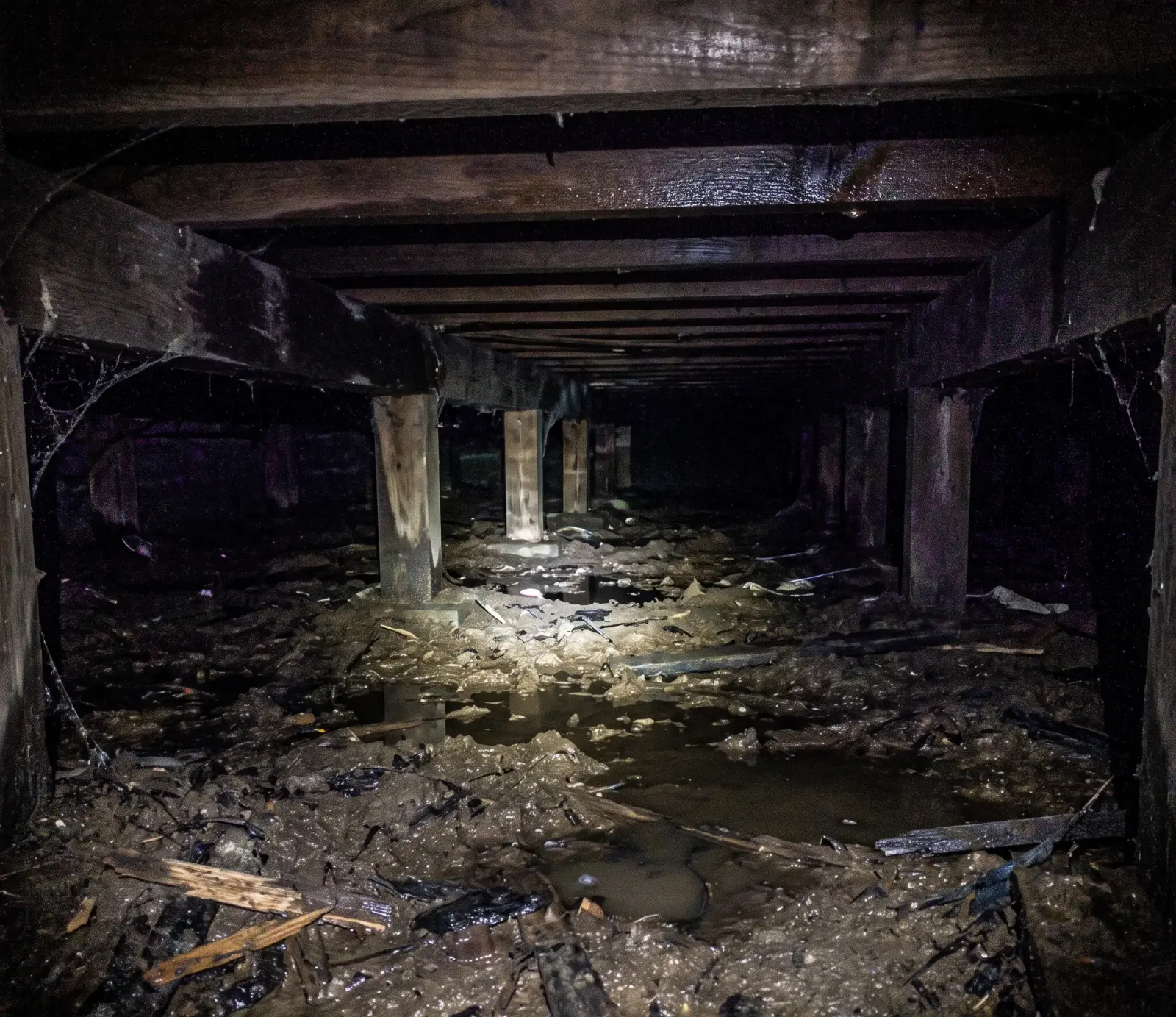
Cost depends on the hatch, clearance, water reach, and removal method
View Crawl Space Water Extraction help in the United States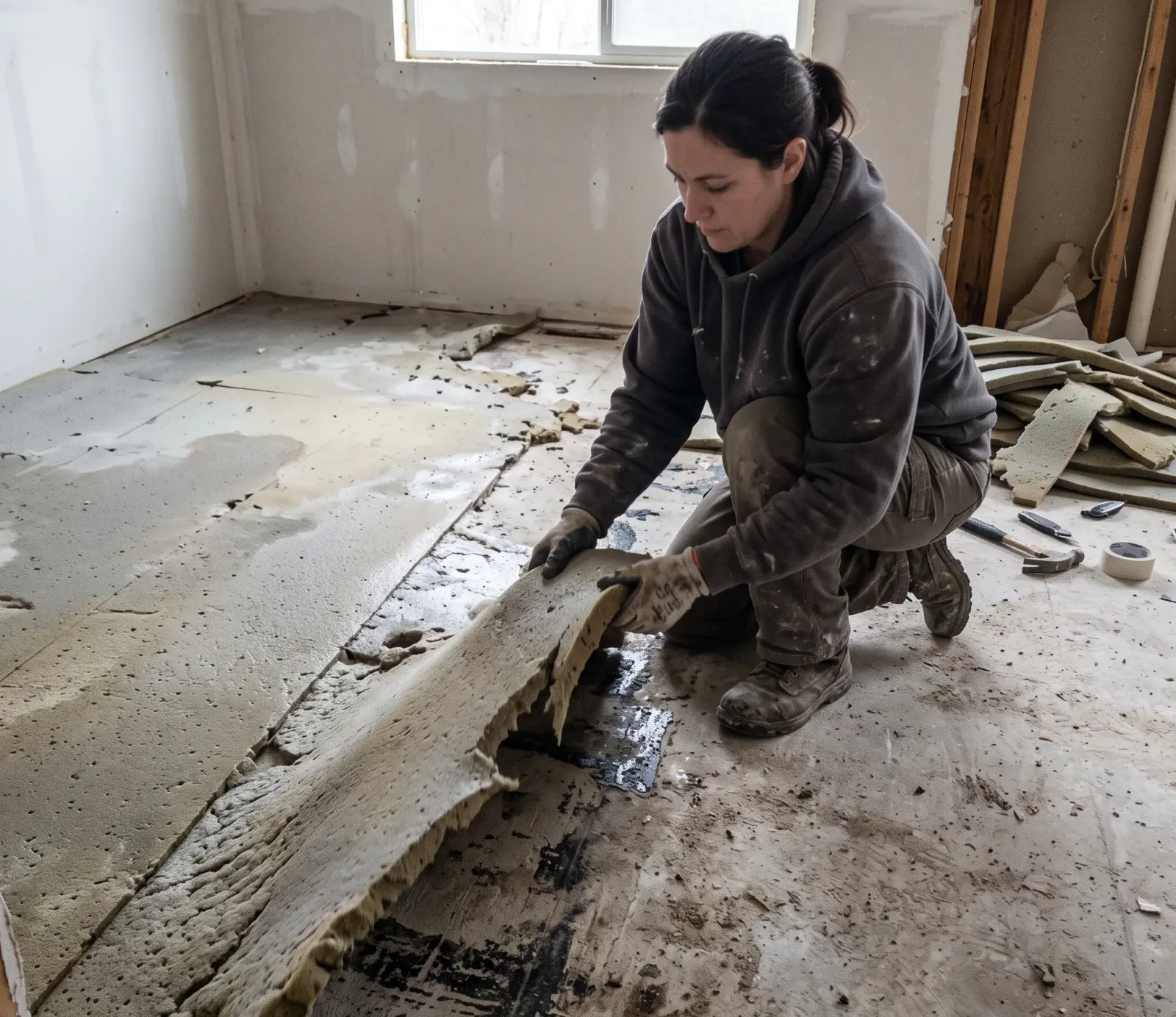
Follow carpet water removal from the first room check through extraction and next-step planning
View Carpet and Pad Water Extraction help in the United States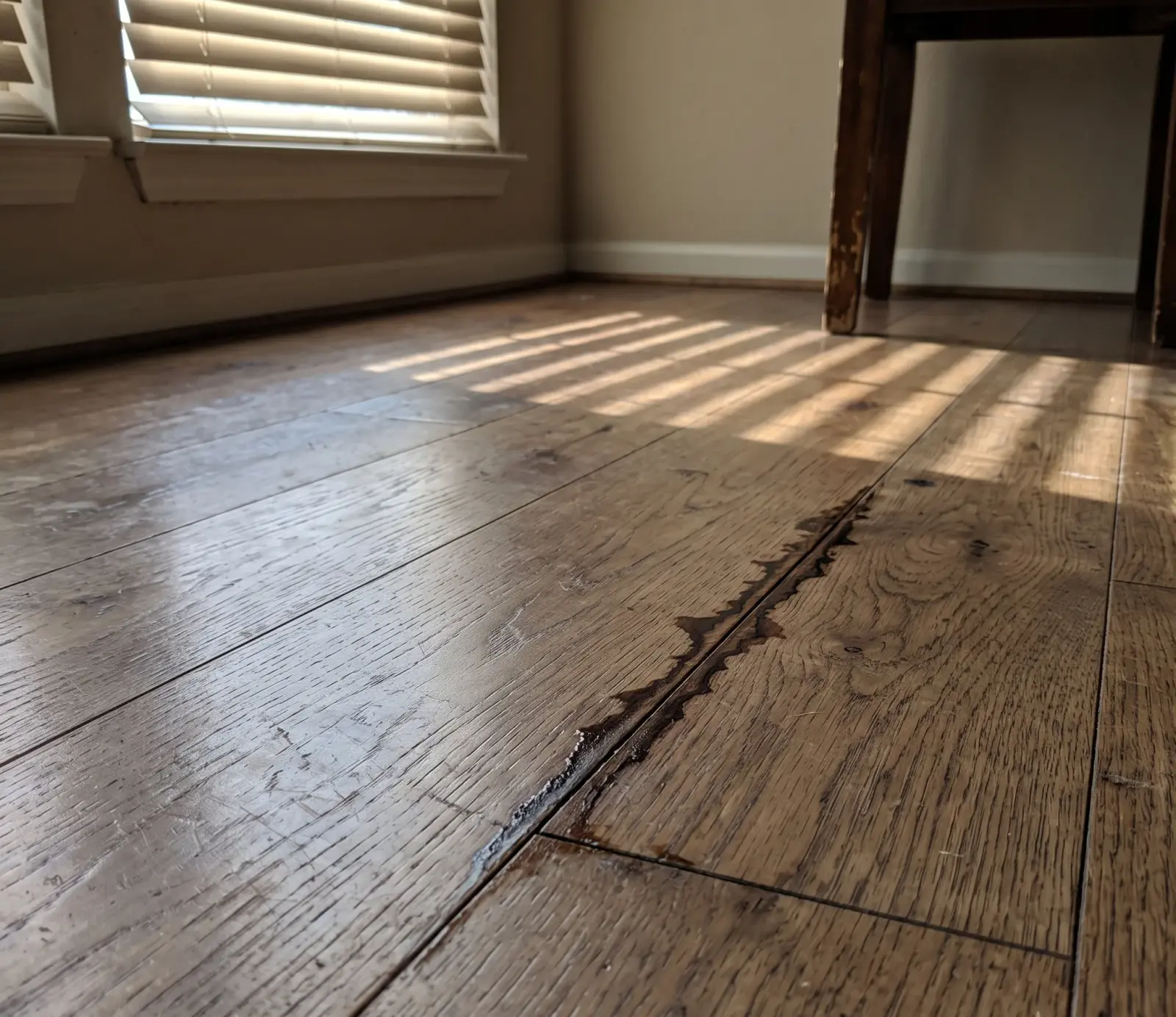
A stepwise floor review guides prompt pickup from wet hardwood boards
View Hardwood Floor Water Extraction help in the United StatesA residential visit can include a review of affected rooms, urgent water removal, and a record of the work performed. The pros we connect you with can set the scope around the materials the intrusion reached. They can also look for moisture that has moved behind trim or under flooring. Ask which areas the visit covers before work begins.
There is no dependable clock time to give before the affected area is reviewed. The removal phase ends when pooled water has been taken out; any later drying work follows a separate timetable. Ask the pros we connect you with to describe those stages separately and update the estimate if the work scope changes. A written scope can show what their time estimate covers.
Leaving is a household decision to make after the work plan is clear. Ask which rooms the work will involve and whether access to sleeping, bathing, or meal areas may be interrupted. If essential routines cannot continue during the visit, the owner can arrange another place for that period. When routines can continue, the household may be able to stay.
Moisture checks can help locate damp areas after pumping. Ask the pros we connect you with to record which materials need drying equipment and what follow-up will show that work is complete. Keep those findings with the written scope for insurer review. If water continues to enter, source repair is a separate task and needs separate attention.
Residential emergency water extraction is estimated at $250–$1,300 for this work; water amount, affected materials, entry conditions, and agreed tasks shape the figure. The provider confirms it, and a written scope can support insurer discussions.
Area pages identify locations with dedicated listings; elsewhere, the same referral connects property owners to available pros. For a home, describe which rooms hold water, how far it spread, and any known entry point. That helps the pros we connect you with discuss removal boundaries and possible follow-up. Note whether furniture, flooring, or personal items need attention so the scope reflects affected belongings. Request the written work outline, including any moisture checks or drying equipment. Keep track of visible changes as work continues, especially if dampness returns after cleanup.
Call (888) 369-0191