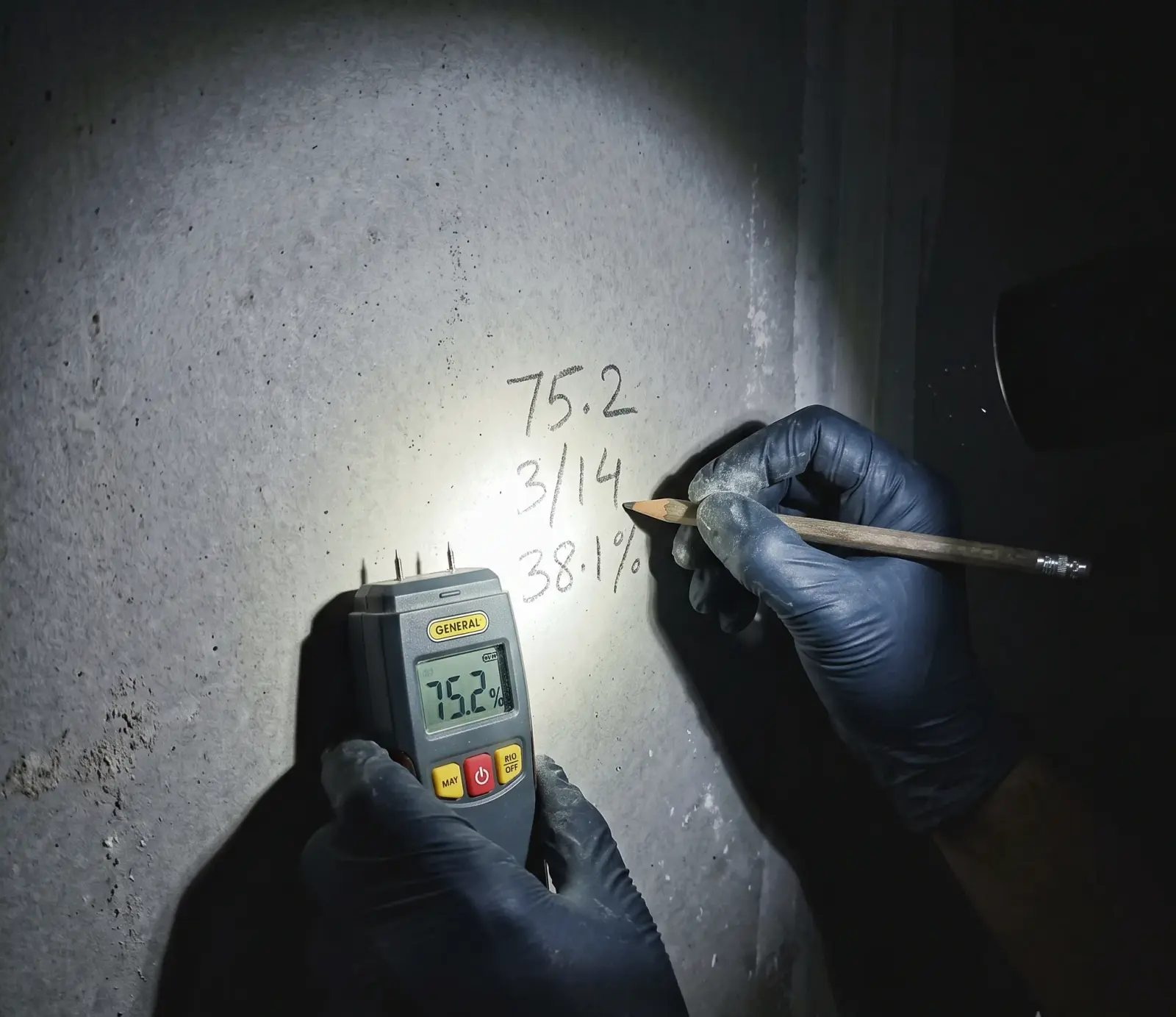
What can change emergency extraction costs in the United States?
The listed reference band is $700–$1,400. A job estimate can differ because urgent removal is only one part of the property’s water response. The owner should ask how much of the quoted work covers extraction and where that work stops. A home and a business may need different plans based on the affected area and equipment access. No reliable local total can be stated without assessing the property. The next sections explain how scope, site access, follow-up work, and policy terms shape the estimate.
Water removal is the immediate task; moisture left behind may call for a later step. Damp floors and other materials can need assessment after pooled water is gone. Drying equipment may then be set to address what remains. The estimate should show whether those steps are part of the quoted work or priced separately. Ask the provider to describe each stage before work starts. The loss cause and policy wording also matter, so the owner should confirm possible coverage with the insurer.
Estimate Emergency Water Extraction Costs in the United States
Give the provider a clear account of what the owner observed and when it began. Note where standing water remains and which areas are affected. Describe the entry path and any limits on moving equipment through the property. Photos can help explain visible conditions, though they cannot show moisture inside materials. Ask for written line items that identify urgent water removal, any moisture assessment, and drying equipment. This gives the owner a basis for comparing estimates without assuming each quote includes the same work.
Set the affected area and visible water depth to view a planning figure. A planning figure cannot show whether water reached materials below the surface. With JavaScript turned off, the selectors may not work; the page text is still readable.
Use this as planning guidance, not a bid. The amount of pooled water, how crews can reach it, and the materials in its path affect the work. Dampness may call for added checking or equipment after removal. Have the provider list planned tasks and charges in writing before authorizing service.
Emergency Water Extraction Estimates in the United States by Service
An estimate can separate urgent removal from work that follows it. Extraction addresses pooled water. Water can remain hidden in seams or cavities after pooled water is removed. Ask the provider to state what observations could change the plan after removal. Repairs to the water source, contaminated-water cleanup, mold remediation, and reconstruction need their own scope descriptions. The owner can then see which tasks belong to the immediate service and which require separate arrangements.
| Service | Work Included in Water Extraction | Guide range | Timing and added charges |
|---|---|---|---|
| Hardwood Floor Water Extraction in the United States | Board review, surface pickup, moisture checks | an estimated $600–$2,200 | Confirm extraction timing and added charges |
| Crawl Space Water Extraction in the United States | Entry, water reach, method, safety review | an estimated $800–$1,600 | Confirm extraction timing and added charges |
| Carpet and Pad Water Extraction in the United States | Wet area size, carpet access, pad handling | an estimated $400–$2,000 | Confirm extraction timing and added charges |
| Basement Water Extraction in the United States | Access review, setup, standing-water removal | an estimated $700–$1,400 | Confirm extraction timing and added charges |
How the Water Level Changes the Work
The amount of pooled water affects how much removal work is needed. Water spread across multiple rooms may take work in more locations than a contained pool. Its depth and distribution help describe the task, but an estimate also depends on access and agreed scope. The owner can report what is visible when requesting an assessment. The pros we connect you with can explain what remains uncertain until they inspect the affected areas.
| Job size | What extraction covers | Estimated cost | Typical time on site |
|---|---|---|---|
| Basement water coverage | Basement standing-water removal, with affected area and equipment access shaping the work included | an estimated $700–$1,400 | Confirm basement access timing |
| Crawl-space entry conditions | Crawl-space water removal, with entry clearance determining which extraction work can be included | an estimated $920–$2,080 | Review entry before scheduling |
| Carpet and pad coverage | Carpet and pad water removal across affected rooms, with material coverage defining the scope | an estimated $400–$2,000 | Set room order at booking |
| Hardwood pooled-water reach | Hardwood floor water removal from pooled areas, with accessible water guiding the work | an estimated $1,440–$8,800 | Arrange floor access review |
Scope by Room and Property Area
The route to the affected area can add work before removal begins. Stored belongings, narrow passages, or stairs may limit where equipment can go. Ask whether the estimate assumes those items will be moved and who handles that task. The location of the water also matters: equipment access to one area may differ from access to another. A written scope should identify any access limits that affect the planned removal. The estimate should say whether floor coverings or attached materials are included in the removal.
| Property and water intrusion | Estimated cost | Why it varies |
|---|---|---|
| Open basement floor, exposed edges | an estimated $700–$1,400 | An exposed floor edge helps show where removal begins and ends. |
| Water beyond one doorway | an estimated $805–$1,820 | Water past a doorway adds another section of flooring to review. |
| Items cover part of wet floor | an estimated $945–$2,380 | Items over damp flooring can hide part of the area needing assessment. |
| Recessed pocket beside wall | an estimated $910–$2,170 | A recessed pocket may require closer work around its edges. |
| Broad pool across floor | an estimated $875–$2,100 | A broad pool puts more floor surface within the removal scope. |
| Divided rooms, separate wet areas | an estimated $700–$1,400 | Separated spaces need their wet boundaries established individually. |
| Constricted stair route to water | an estimated $735–$1,610 | A constricted stair route adds an access factor to the estimate. |
| Wet-area edges not established | an estimated $770–$1,750 | Uncertain wet limits make the affected area harder to size. |
Six Factors That Shape an Extraction Estimate
An estimate takes shape from several parts of the job. The volume of water affects removal effort, while its distribution determines where work is needed. The materials and rooms involved help define the affected area. Entry conditions can limit equipment placement or movement. The agreed scope determines whether the visit covers extraction alone or additional moisture work. Homes and businesses can both need removal, with site details setting the work.
Water Volume And Depth
The quantity to remove can shift the estimate. A shallow layer across a floor takes a different extraction plan than deep pooling in a low room. In a home or business, the pros we connect you with can explain how the observed water level affects equipment and removal time. Ask how the estimate accounts for water volume and what conditions could change the work once extraction begins.
Spread Across Rooms And Surfaces
The footprint matters when water has crossed rooms or reached different surfaces. A contained spill and water spread through adjoining spaces call for different work plans. Wet carpet, flooring, and other materials may also need separate attention after extraction. The owner can ask which affected areas are included and whether the quoted work stops at removing visible water.
Pathways For Equipment Access
Access can affect how extraction is set up. Stored belongings, narrow passages, stairs, or a hard-to-reach lower area may make equipment placement more involved. The pros we connect you with can identify access limits before work starts. Ask whether moving items or opening up access is included in the estimate, since those tasks may sit outside water removal.
Checks For Moisture After Removal
A shallow spill in one open room may take less effort to address than water that has reached several rooms, lower levels, or spaces behind cabinets. The pros we connect you with may need to work around furnishings or reach areas with limited access, which can affect the labor and tools involved. Moisture checks after removal may also identify damp sections that need further attention.
Origin And Condition Of Water
Cost can also depend on what the water is and where it came from, because that can change the suitable cleanup scope. Water with a known source may call for different work than water of uncertain origin. If sewage or chemicals may be present, the owner should tell the pros we connect you with before work starts. That cleanup may be a separate scope, so it should not be assumed inside an extraction quote. Ask that the estimate identify what is included and retain a record of water removal for the insurer.
Defining The Priced Work
A clear paper trail can help an owner share the response details with an insurer. Photos can show which affected areas were part of the extraction response. Keep the work record with related claim documents, including when another service is arranged separately. This gives the insurer a defined account of the extraction work. Ask the pro we connect you with for a copy of the scope and the completed work record.
What Is Included and What Comes After
Cost depends on the volume of water, where it reached, access, and the tasks listed. A reliable local range requires a property assessment. Note which materials were wet during the property assessment. The estimate should also make clear whether leak repair, sewage or contaminated-water cleanup, mold remediation, or rebuilding is included; each needs its own work description. Keep the estimate and records for your insurer. Review the listed tasks against the work that was completed.
| Service | Estimated price |
|---|---|
| Initial scope review | Fee confirmed before booking |
| Standing-water extraction | $700–$1,400 |
| Post-removal moisture assessment | Quoted after material checks |
| Drying equipment placement | Quoted by equipment needs |
| Water-source repair | Separate repair estimate |
| Sewage-contaminated water cleanup | Separate cleanup estimate |
| Mold remediation or reconstruction | Priced under separate scope |
What can homeowners insurance cover for Emergency Water Extraction in ?
Homeowners insurance treatment varies with the water's cause and the policy wording. A sudden indoor leak and water entering from outside may be handled differently under a particular policy. The estimate itself cannot determine whether a claim qualifies for payment. The owner should ask the insurer which terms apply to this loss and the proposed removal work. A written scope and records of work performed can help explain the services being considered.
Often claimable
- Rain entering after storm damage may qualify when the event and resulting water loss are covered.
- Water from an abrupt supply-line rupture may be included if the loss meets policy terms.
- A dishwasher leak may qualify when a sudden appliance failure causes covered interior water damage.
- Water from a broken bathroom fixture may qualify when the accidental loss is covered.
Usually not covered
- Routine water removal without a covered event may fall outside the policy’s loss coverage.
- Damage from a slow leak may be excluded when it accumulates over time.
- Coverage rules may differ for the home itself and the belongings inside.
- Floodwater removal may be unpaid when the policy excludes that source.
- Repairing the leak may require separate coverage because it addresses the source, not extraction.
Insurance payment depends on why the water entered and on the policy’s terms. A policy may treat different causes of water loss differently, so the service itself cannot determine coverage. Records of the water source can help explain the circumstances of the loss. Keep copies of photos, invoices, and written estimates with the claim records. Confirm whether the policy addresses extraction and any later drying as separate parts of the loss.
Why the Written Scope Matters
Compare the work descriptions before comparing totals. One estimate may define the removal area and equipment, while another may leave those details unstated. Ask what conditions would lead the provider to recommend moisture assessment or drying after extraction. Check whether added work would require a revised estimate. The owner should also see which tasks need separate providers or authorization. Clear line items make it easier to identify what each quote actually covers.
Read the Estimate’s Work Scope
Cost can shift when reported water extent changes after inspection. A short call may miss rooms or blocked pathways. Water may also extend beyond the area first described. Ask for the rooms and removal tasks behind the estimate. If those details change on arrival, request the reason and revised amount in writing before work expands. Keep both records with notes about the affected areas. This helps the owner see which conditions changed and what work was added.
What Moisture Checks and Drying Add
The materials and layout of a home or business can shape the removal work. A quote for an open area may not fit a space divided by walls, fixtures, or stored contents. Ask for a written list of the areas covered and tasks priced. If the work plan grows, have the added charge confirmed before it begins. Keeping the estimate beside the job notes gives the owner a record of how the final work differed from the first plan.
Approve Added Work in Writing
The amount can rise when the agreed work changes. If a provider proposes another task, ask what condition it addresses and how it changes the written scope. Request the added cost in writing and approve it before the task begins. Ask whether the added task changes the order of the remaining work. Keep the original estimate with any revised version and related job documents.
Separate Removal From Other Work
Removing water does not repair the condition that let it in. Source repair is a separate job, and cleanup involving sewage or chemicals also needs separate scope details. Ask the provider to identify those tasks apart from water removal and explain any added charges before work starts. Keep photos, the written estimate, and job records together. Record which materials were removed and which remain after cleanup.
Compare written estimates by the work each one describes. Check which rooms and removal tasks are included, and whether a visit charge applies. Ask how assessment, drying equipment, or additional work would be priced if needed. Confirm that the document separates extraction from repairs and remediation. The pros we connect you with can explain unclear items. Keep the estimate and work records available for questions from the insurer.
Estimates Across the United States
A written estimate helps an owner compare what the proposed extraction includes. It should state the affected areas, the amount of water to remove, and any access limits that shape the work. Without an assessment of the property, a dependable local range cannot be given. Keep the estimate with photos or other records for the insurer.
Extraction Questions
What could I be charged for an estimate or inspection?
Visit and estimate charges depend on the provider’s terms. Before scheduling, ask whether travel, inspection, or moisture readings are billed separately. Find out when a charge applies and whether it changes if the owner approves water removal. Request the terms in writing so the first invoice does not introduce an unexpected assessment fee. A quote for removal and a diagnostic visit may cover different work.
Why can two water removal quotes vary for similar rooms?
The visible water does not show the full amount of work. One quote may cover a shallow area of hard flooring; another may account for water that reached carpet or lower wall materials. Room size, water depth, access for equipment, and the areas included can all shift the estimate. Ask each provider to explain the tasks behind the total, rather than comparing the totals alone.
What should the written price and work description include?
A useful written scope names the rooms or sections and describes the removal work planned there. It should show the quoted charge, any assessment or drying listed separately, and work excluded from that figure. Ask the provider to identify assumptions, such as whether contents must be moved first. It can also state whether affected materials will be removed or left in place for later review.
Will water extraction pricing include drying equipment afterward?
No. The extraction charge applies to standing water in the areas named in the scope. A basement listing does not automatically include other rooms or later moisture evaluation. Ask the pro to identify each area covered and list any follow-up work separately. Ask whether stored items need to be moved so the licensed pros we connect you with can reach the standing water.
Can urgent water removal be approved before repairs are chosen?
The owner can ask for immediate extraction to be described and approved as its own task. That lets later repair decisions remain open while the standing water is removed. The written scope should show where extraction ends and any later drying, material removal, or rebuilding begins. Ask the provider to explain which additional tasks would need a separate estimate before the owner authorizes them.
Does water removal pricing cover stopping the leak?
The extraction scope describes the water removal work; it does not document a plumbing diagnosis. Ask the pro to record which areas were addressed and what the proposal excludes. If water continues entering, the amount present can change while work is being arranged. The owner should have the active source handled separately and clarify how that affects the removal plan.
How does discovering another wet area change the quoted scope?
An additional wet room or section can add removal and assessment tasks. Different materials in the added area may require different removal steps. A revised scope makes clear whether the added space is included before work proceeds there. Moisture checks may also reveal damp materials beyond the area where water first collected.
Can blocked rooms or stored belongings affect removal charges?
Water can remain hidden behind finishes or beneath materials that are not immediately visible. Stored belongings may also need to be shifted before removal can begin. Tell the provider about stairs, narrow entries, or contents that cannot be moved. Ask whether labor to clear the work area is included, excluded, or subject to a revised estimate once the space is accessible.
Will sewage or chemical contamination change the water removal estimate?
Water quality is not always clear from its appearance alone. Tell the provider about the suspected source before work starts, since handling requirements affect the scope. Ask what the quoted removal covers and whether contaminated-water cleanup is proposed separately. The type of water and affected materials shape the work; a standard extraction description may not include that additional response.
What should happen if the work expands after approval?
If inspection during removal points to additional tasks, ask the provider to pause and explain the reason for the change. The owner should receive an updated description of the work and any revised charge before approving the addition. This creates a record of the decision and the new scope. If urgent conditions require immediate action, ask how that exception will be documented on the work order.
How do I compare removal proposals with different totals?
Line up the proposals by room and task before weighing their totals. Check whether each includes the same standing-water removal, assessment, and drying work. Note any exclusions, such as source repair or cleanup for contaminated water. If one proposal describes broader work, ask what explains the difference. A written comparison helps the owner see whether the figures represent the same service.
What Shapes the Written Extraction Scope
Cost changes with the volume removed, the rooms involved, access, and the work listed. A basement with water across several surfaces may need a different effort than a contained spill. Ask what the estimate includes, whether a visit carries a charge, and how the removal scope will be recorded. Drying equipment and moisture checks may be listed separately. Belongings in the affected space may need to be moved before pooled water can be reached. Keep the estimate and work notes for insurance discussions.
Call (888) 369-0191