Water Intrusion Help
What Calls for Emergency Water Extraction in the United States
A leak or overflow can leave water pooled indoors. Emergency Water Extraction moves pooled water out of affected spaces in a home or business. Moisture may remain in hidden layers after visible water is removed. The pros we connect you with can review visible conditions and set the removal scope. This page follows signs an owner can see, then explains where urgent removal ends and further moisture work may begin.
CLAIM RECORDS
Emergency Water Extraction information is grouped by topic in the United States. Across these towns, the pages explain the work sequence: collect standing water, consider damp materials, then decide whether drying is needed. They also clarify that a leaking source, contaminated water, mold treatment, and rebuilding call for work beyond extraction. Written records may help an owner describe the visit to an insurer./cost">pricing guide.
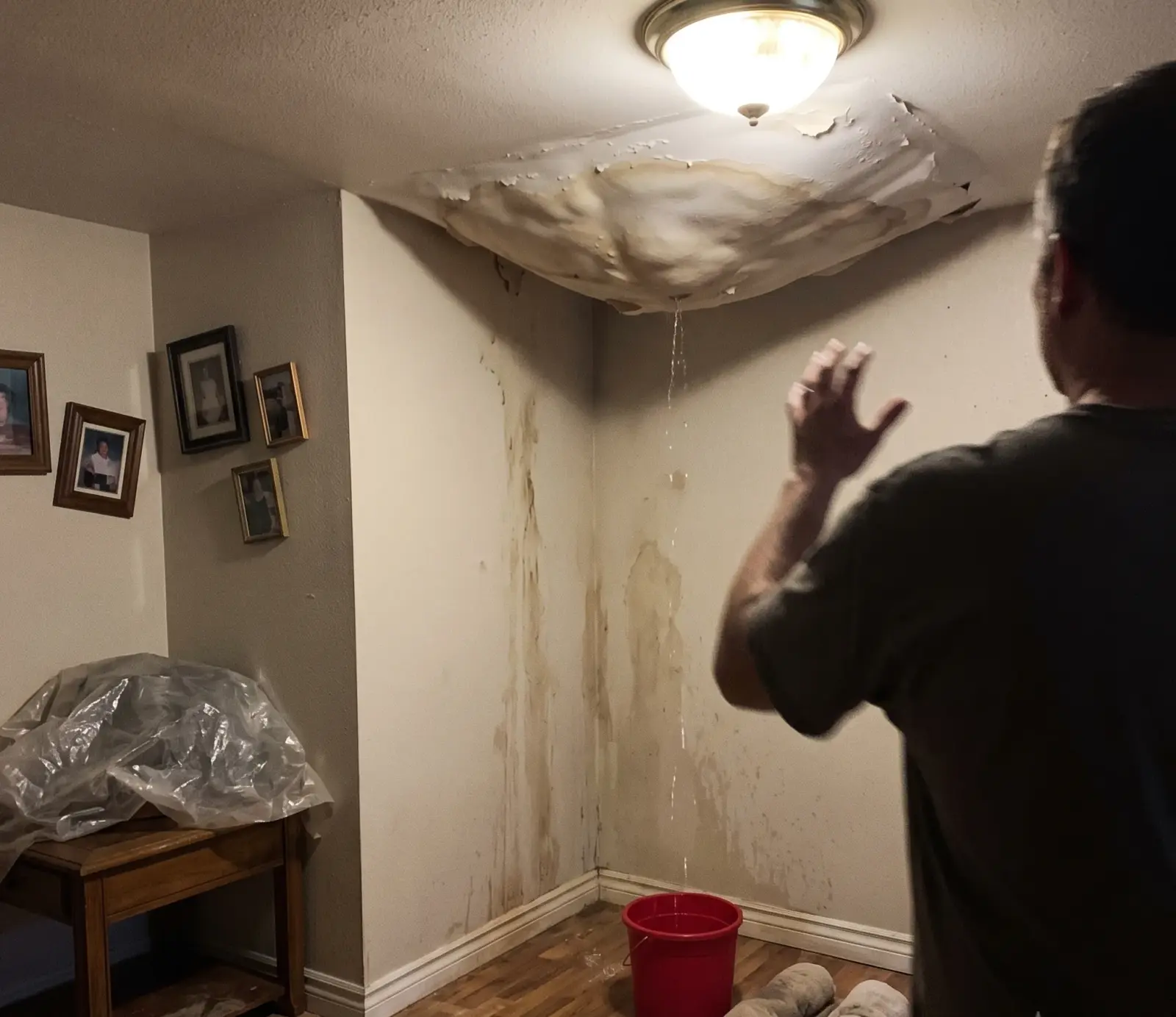
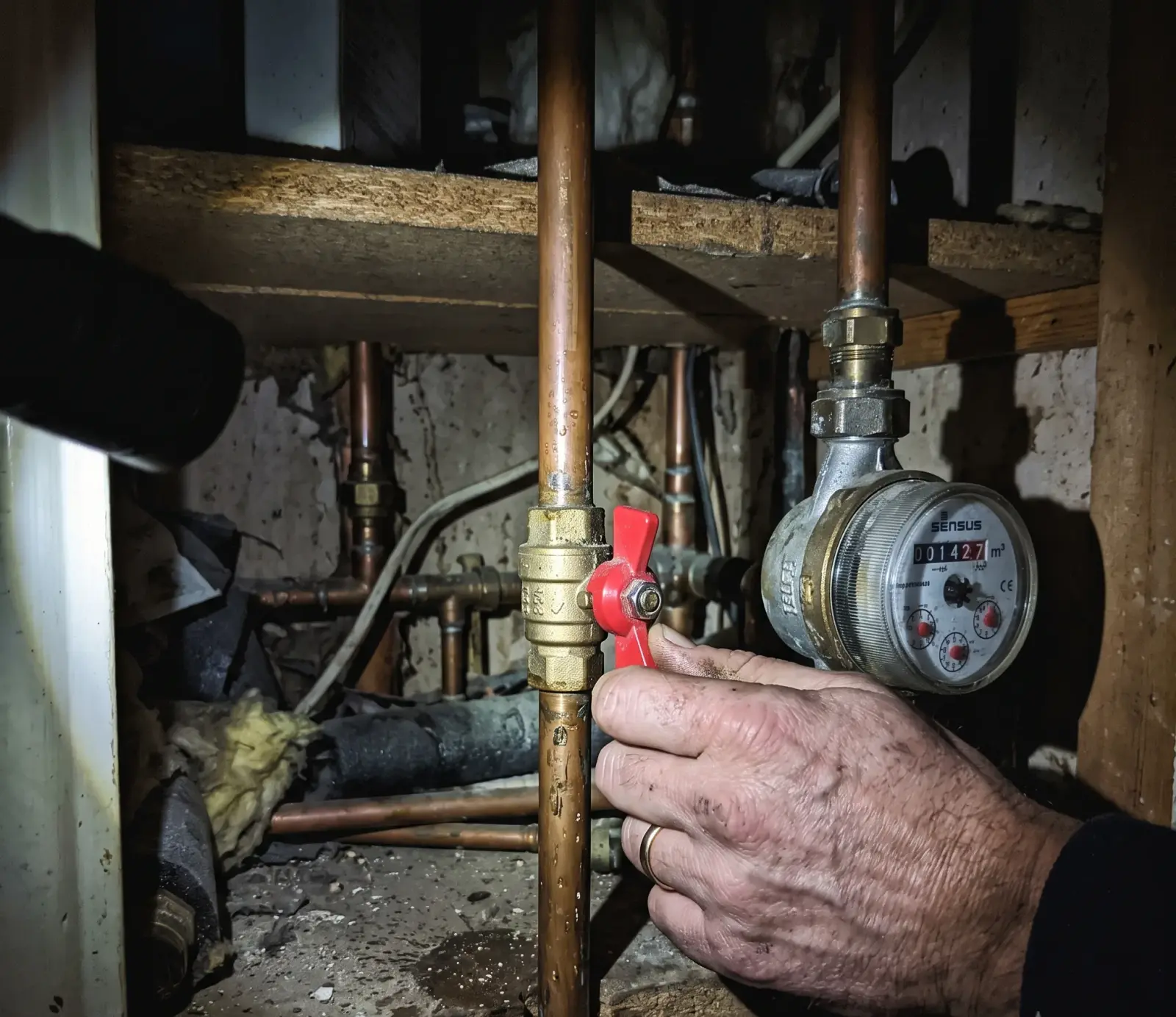
Stopping the source of incoming water is separate from removing pooled water. Emergency extraction removes standing water left by an intrusion. That work addresses collected water; damp materials need separate attention. When requesting help, a homeowner can point out visible pooling and note barriers around the area. Service pages cover the locations listed on this site. Requests from places without a service page connect through the same referral. Drying may follow water removal, guided by a separate moisture assessment.
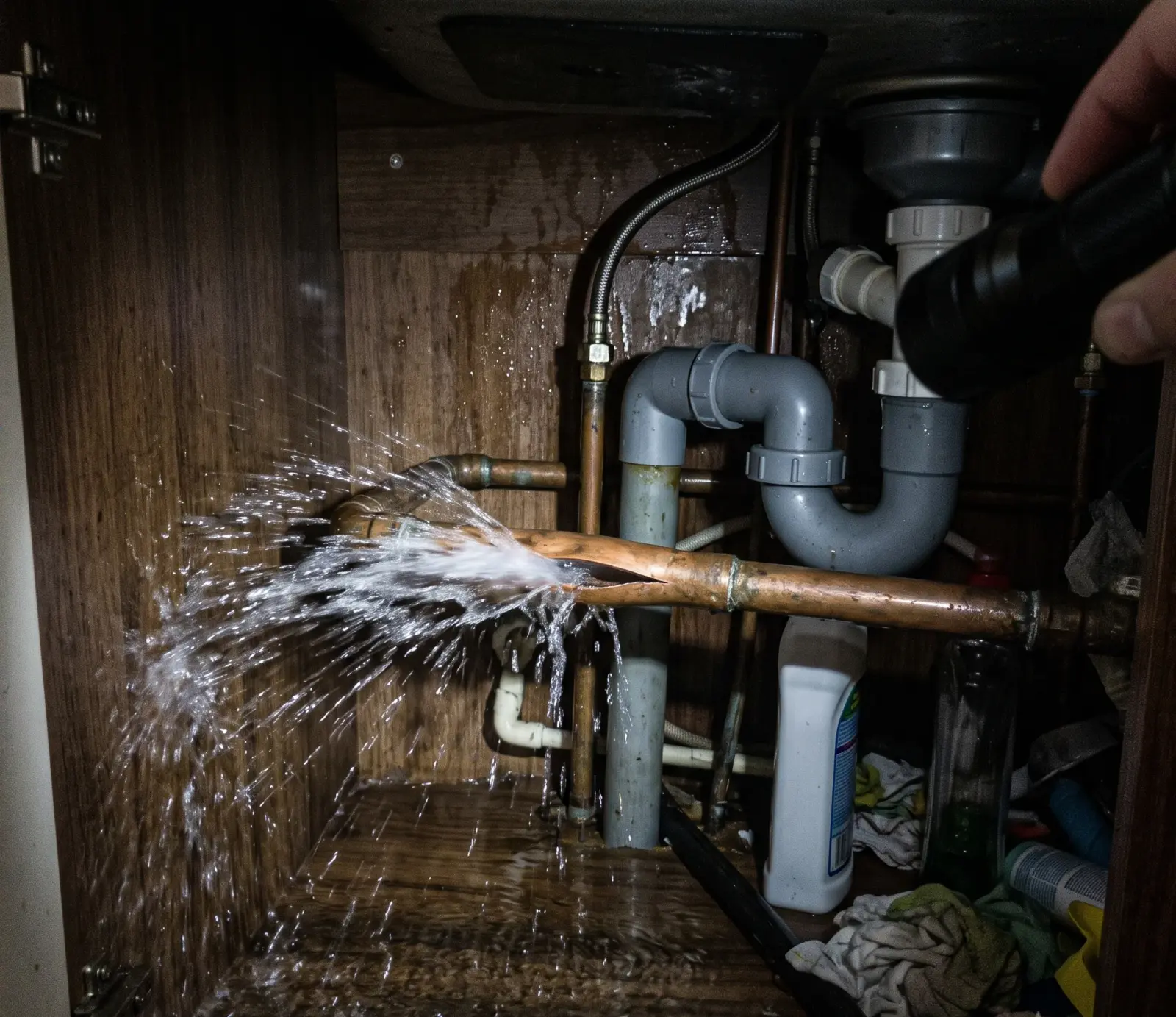
Plumbing Failures
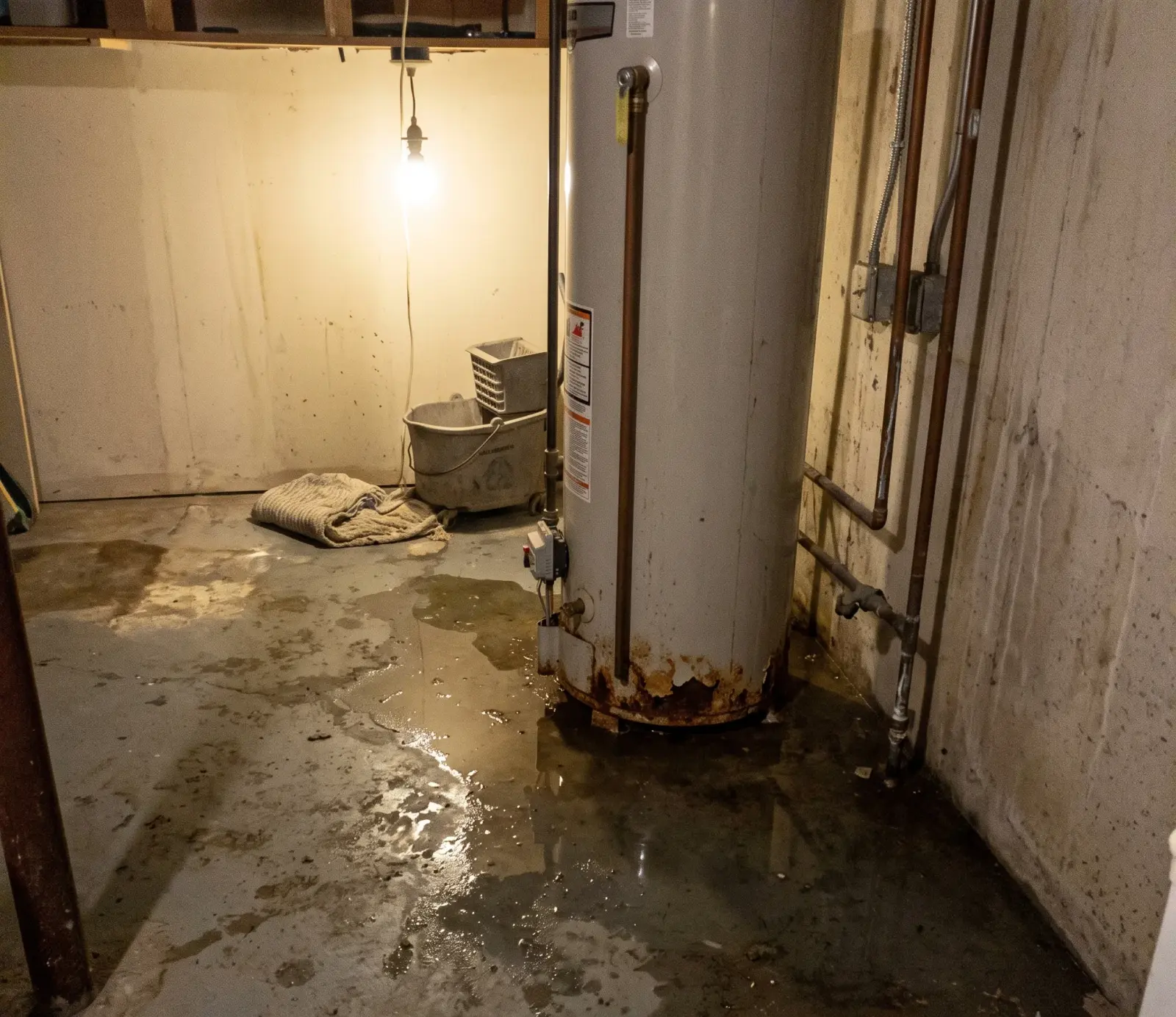
Appliance Water Leaks
YOUR QUESTIONS
Extraction Questions
Standing water is inside; where should I start?
Pumps and wet vacuums are tools the pros we connect you with may use to remove standing water. A homeowner can ask which areas the removal scope covers and what equipment the pros expect to use. That gives the first call a practical focus. It also keeps extraction separate from later questions about damp materials, drying equipment, or repairs.
Could water have reached materials beyond the visible wet area?
Water that may contain sewage or chemicals raises a different cleanup question. Visible water alone may not reveal its contents. If the water’s contents are unclear, say so when describing the problem. This helps route the call toward the right kind of assistance and avoids treating every intrusion as ordinary water removal.
When should I seek extraction instead of waiting for water to recede?
Cost depends on how much of the property the water reached. Common problems include pooled water and dampness beyond the visible spill. A clear floor does not prove nearby building materials are dry; moisture can remain after the surface looks clear. Emergency extraction removes standing water, while further moisture checks can show whether drying equipment is needed. When the extent is uncertain, start with the issue the owner can identify and describe.
Begin Water Removal
When Pooled Water Calls for Removal
During extraction, equipment such as pumps or wet vacuums can move pooled water out of affected spaces. Furniture or stored items may limit access to pooled water, so mention them when requesting an estimate. Ask the pros we connect you with about availability and timing before arranging service. Water removal alone does not settle whether floors or other materials retain moisture. Ask whether the proposal explains where equipment would be placed.
Call (888) 369-0191