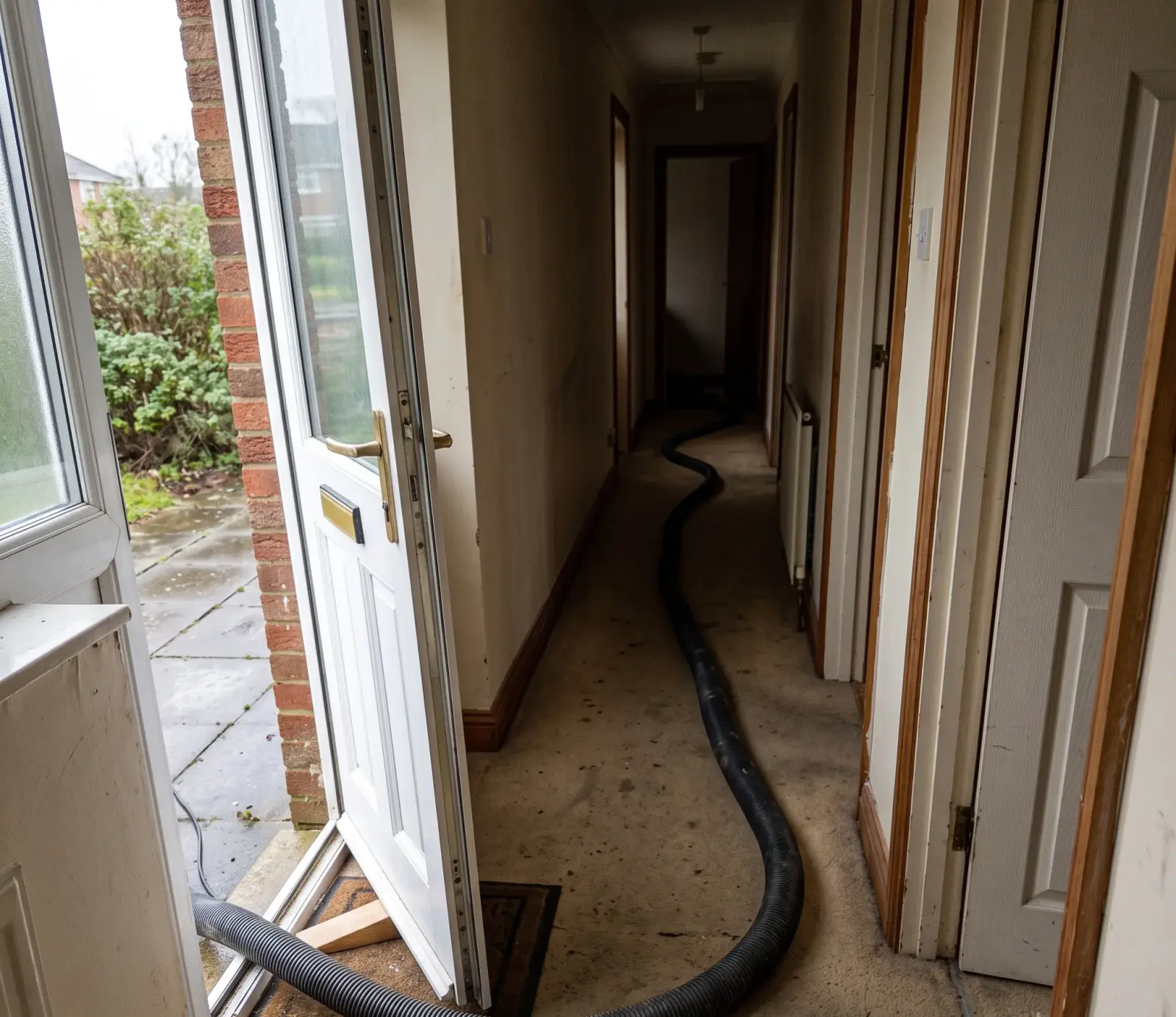
Emergency Response Time
There is no single nationwide arrival time. Learn what can shift an estimate, which details to share, and what to confirm with connected pros.
Read article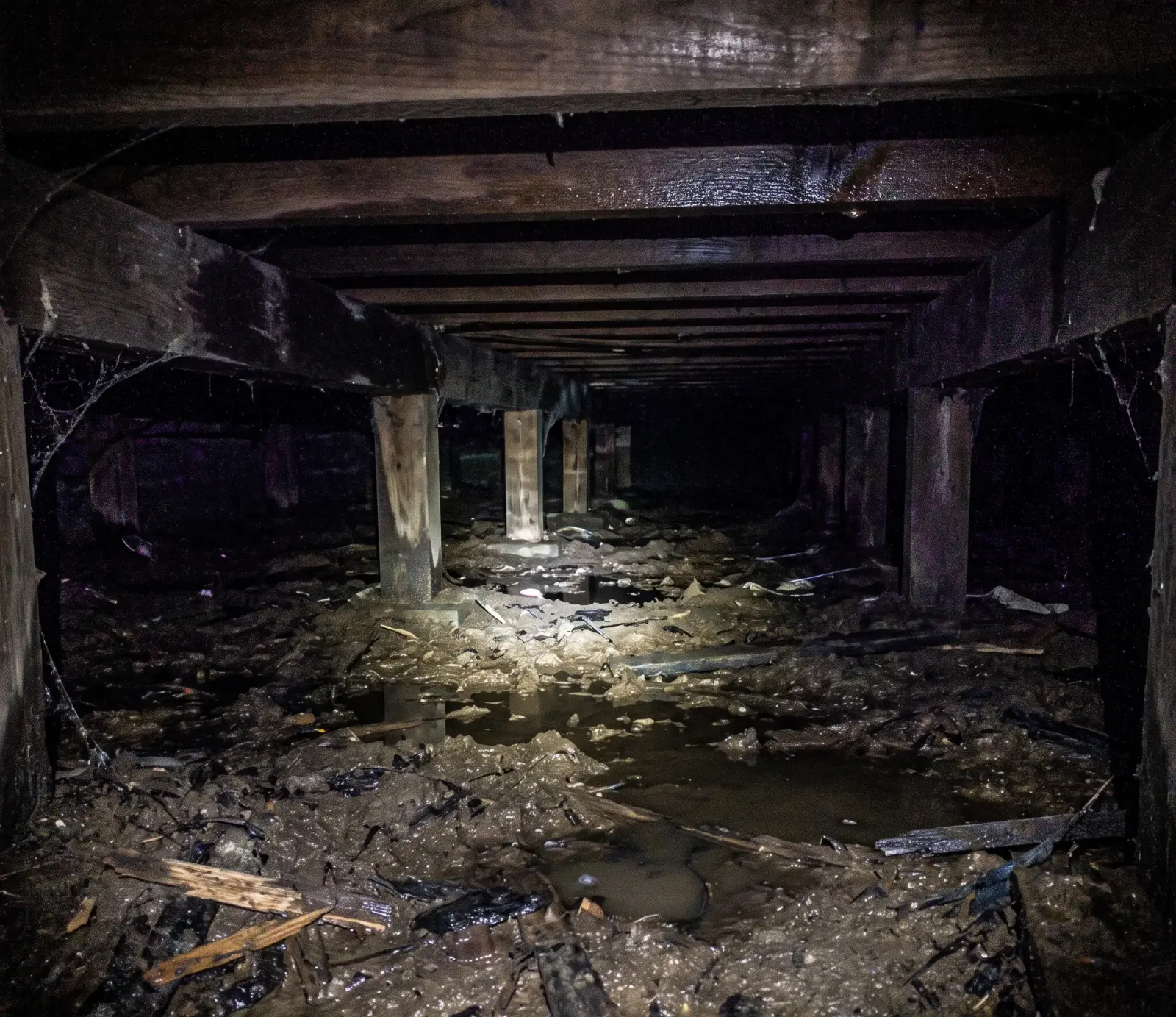
Cost depends on the hatch, clearance, water reach, and removal method
After heavy rain or a plumbing failure, water can collect under a home while the rooms above seem unchanged. A homeowner may spot a dark pool through the access opening, but framing and piers can hide how far it reaches. Crawl space water extraction focuses on removing that reachable standing water. The entry location, ground clearance, and path beneath the floor shape what can be done and what the estimate includes.
Extraction cost depends on the entry opening, crawl-space clearance, and how far pooled water extends. Across the United States, access layouts vary; a tight opening can limit hose placement and equipment reach. The pros we connect you with need the entry location and visible water conditions to scope removal.
For the United States and Homewood AL, Anniston AL and Auburn AL, Crawl Space Water Extraction addresses water already inside. If a leak continues, the owner must arrange separate attention to its source.
When the building is a residence, see residential emergency water extraction; owners overseeing income property or a workplace can use commercial emergency water extraction to review its service.
A small visible pool may continue beyond the first row of supports. From the opening, a homeowner can note whether water appears only near the hatch or also beneath deeper sections. Joists, piers, and stored items block the view, so that observation helps describe the job but cannot establish the full extent. The pros we connect you with can check reachable areas during an assessment and define which pooled sections the removal estimate includes.
Low framing and a narrow hatch affect whether equipment can pass without catching on pipes or supports. An owner can describe the opening width, steps, and any stored items visible from outside. Do not shift heavy objects or crawl in to clear a path. If the route is confined or utilities may be affected, leave the area alone and share those concerns before an assessment is arranged.
Water marks on a pier or debris caught along the ground can indicate that pooling reaches around an obstruction. A homeowner can photograph visible details from a dry, stable position and report where each sign appears. Those observations help the pros we connect you with consider access and reach. They do not replace an onsite check, which can identify the areas that are accessible for removal and define the work scope.
The source of the water is also considered to determine whether it may still be entering the crawl space.
The water’s location is compared with hatch position and clearance; distance or tight turns can affect equipment choice, cost, and timing.
A pump or wet vacuum is selected to suit the reachable area, then used to remove the standing water within the agreed scope.
A final review can note whether water appears to be entering the crawl space again.
A crawl space puts framing, supports, pipes, and wiring close to the ground, where a pool can be difficult to see or reach. Removing accessible water reduces the standing pool, but does not show whether nearby materials retain moisture. Standing water can make routine inspection of the framing and utilities more difficult. Access and utilities also affect whether the removal can proceed safely.
Some locations have individual service pages. In other areas, requests still connect through the same referral to the pros we connect you with. A location page can provide local context, while the crawl space itself determines whether the opening and interior allow safe access. Loose debris can obstruct movement and make it harder to reach pooled water or position equipment. Describe the access conditions when arranging an assessment, and do not enter if the opening or utilities may be unsafe.
A narrow hatch, low joists, or stored items can limit the equipment that fits and add setup work. The amount of pooled water and the distance from the opening also affect the time and labor involved. Ask which parts of the crawl space are included and what access constraints could change the work. Water can remain in low spots that are difficult to see after the visible pool is removed. Repairs to the water source and later restoration require separate attention.
In the United States, Crawl Space Water Extraction estimates show expected removal costs, while the pros we connect you with set any dispatch fee and define covered extraction tasks on paper.
| Water Source | Removal Method | Drying Assessment |
|---|---|---|
| Small Pooling | Reachable water gathered from the affected floor surface | an estimated $800–$1,600 |
| Floor Section | Water pickup confined to surfaces named in the estimate | an estimated $920–$2,080 |
| Joined Spaces | Water extraction from open portions of an affected space | an estimated $800–$1,600 |
| Broad Interior | Pooling lifted from accessible flooring within the written scope | an estimated $1,920–$6,400 |
Cost can rise when the requested work includes moisture checks or drying after water removal. Repairs to the leak, contaminated-water handling, mold remediation, and rebuilding need separate scopes. Longer-lasting replacement materials may add expense. Compare these choices and the work included in the full pricing guide before reviewing an estimate.
The estimate can change with the pool’s size and spread, distance from the hatch, clearance beneath the floor, and obstructions along the route. Ask which areas are included and whether setup limits could leave water beyond reach. A written scope should identify removal work separately from follow-up moisture assessment, drying, or source repair.
The pros we connect you with match the equipment to the entry, available clearance, and water location. A pump may work where there is room to position it; a wet vacuum can suit a more confined reachable area. Supports, pipes, or a long route can restrict either method. The assessment should clarify which pooled sections can be reached.
Items in the crawl space may need to be moved to expose more of the floor area. Low framing or obstacles may slow setup and limit access. An assessment can give a more useful time expectation after the route and visible pool have been reviewed.
Before arranging a visit, note whether the opening is obstructed and roughly how much clearance lies beyond it. Mention any stored materials that may block the route, along with changes in the pool’s size or location. Do not crawl inside to measure or move items. Those details can help the pros we connect you with decide what equipment may fit and what they need to inspect on arrival.
A wet vacuum may suit a small pool only when the area and equipment can be reached safely. Crawl spaces can have tight passages, low framing, and hidden wiring, so a tool that fits at the opening may not work deeper inside. If the water’s safety or the route is uncertain, leave removal to qualified help. Tell the provider about access limits before work is arranged.
No. Removing the pool leaves no guarantee that wood, insulation, or other materials have released their moisture. A separate follow-up can check for dampness and determine whether drying equipment is needed. The owner can ask what the extraction work removed and what next step is recommended. Repairing the cause of the water and restoring damaged materials are outside the extraction itself.
Water removal addresses standing water, while drying helps manage moisture left in materials. A provider confirms the amount after assessing water volume, affected materials, access, and the work scope.
A written work scope records what was removed and can help organize questions for an insurer.
There is no single nationwide arrival time. Learn what can shift an estimate, which details to share, and what to confirm with connected pros.
Read article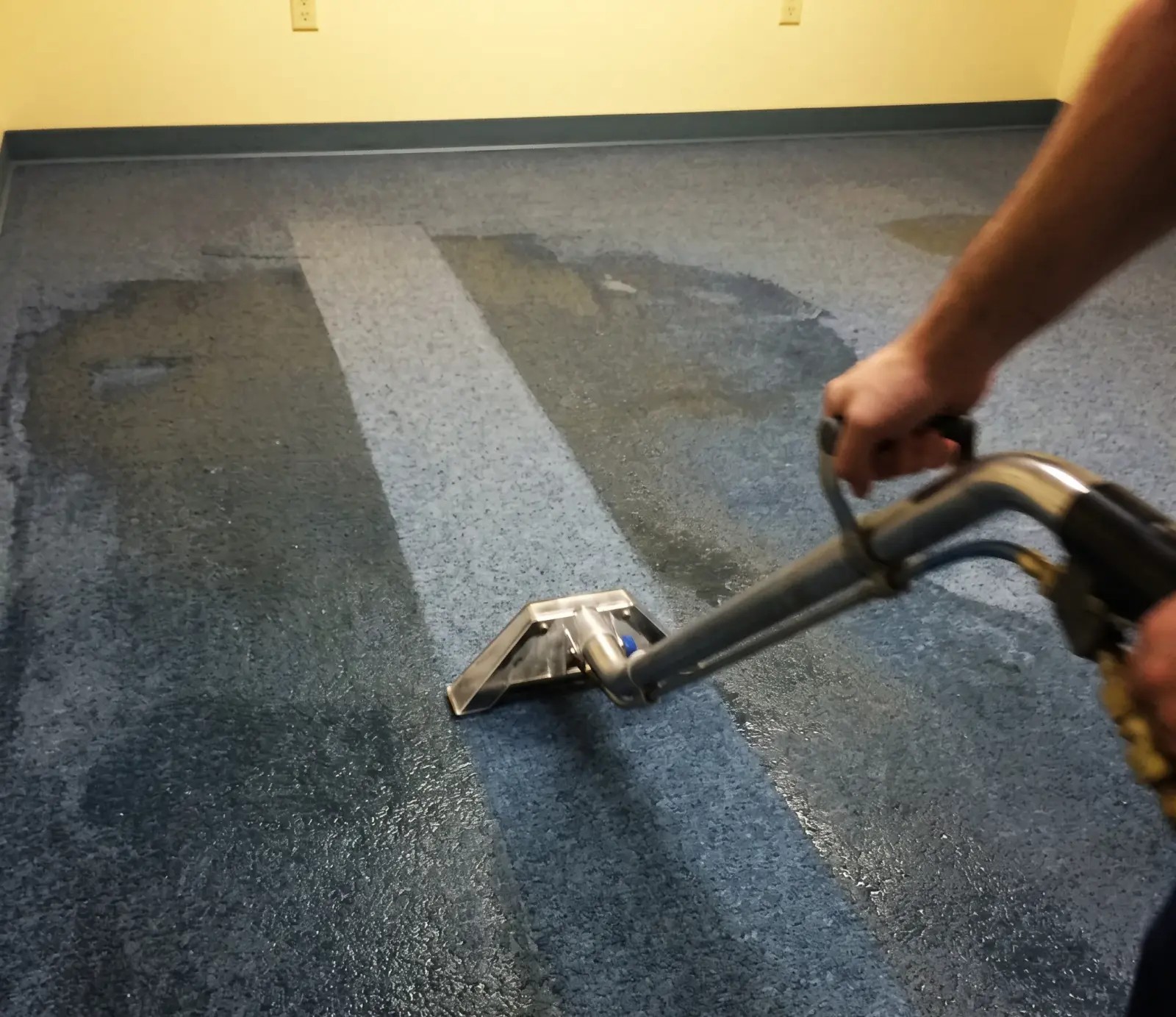
How long does emergency water extraction take? See how water volume, access, and surfaces shape the estimate, and what to clarify about scope and completion.
Read article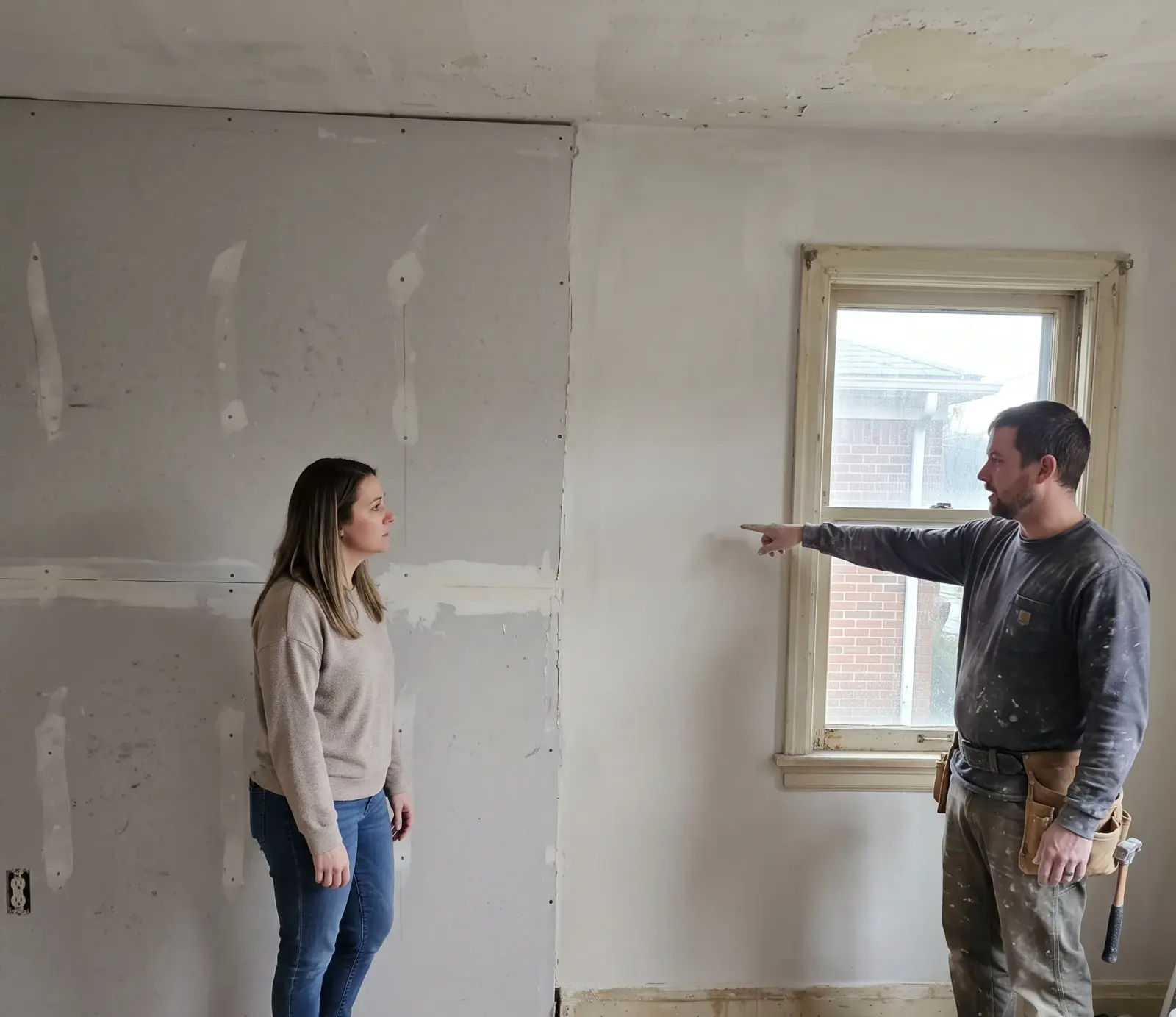
Standing water can hide electrical and footing hazards. A clear view from a doorway cannot show how far water has traveled.
Read articleCost can change with the affected areas and the work included. Service area pages provide place-specific details; elsewhere, requests use the same referral. A homeowner can describe where water stands and how it entered when requesting an estimate for urgent removal. Compare estimates by checking whether each covers extraction alone or includes moisture assessment and drying equipment.
Call (888) 369-0191