Restaurant Water Extraction
Restaurant Water Extraction
Plan healthcare water extraction around room access, care routes, and clear limits on the work area.
Healthcare facilities should define which rooms and routes may be entered, coordinate timing with facilities and clinical operations, and name who can approve changes. Ask the provider to state the removal boundary and separate extraction from later drying or cleaning.
Healthcare water extraction is the removal of standing water from a medical facility after an intrusion. In occupied buildings, the work plan must account for patient care, staff movement, and rooms with restricted access. Hospital water removal can affect more than the visibly wet space when that space supports nearby services. Facilities and clinical operations should agree on priorities before setting the work boundary. The sections below cover access, coordination, scope, and cost factors. Together, they help teams arrange urgent removal while planning what must happen after extraction.
A medical facility water emergency can interrupt care when water occupies a treatment room, supply area, or route between departments. The operational effect depends on which functions use the space and whether another route or room is available. Facilities staff can identify building constraints; clinical operations can explain which activities cannot pause. This discussion gives a provider practical context for scheduling and access. It also helps the facility weigh the work window against the consequences of leaving the area unavailable.
The affected space may be a patient room, a service corridor, or a support area. Each presents different limits on entry, equipment movement, and nearby activity. Describe the room by its facility name and explain what happens there. Include adjacent spaces if staff have observed water beyond the initial area. These details help shape a useful healthcare water extraction scope. They do not determine whether materials are dry, whether the water source is repaired, or whether separate cleaning or restoration is needed.
Safety decisions come before scheduling entry. Standing water near outlets, wiring, or powered medical devices can create electrical danger. Staff should keep people clear when the area has not been assessed as safe. Facility personnel can identify who is qualified to evaluate those conditions and who can release the space for work. If access remains uncertain, tell the provider before arrival. A removal plan depends on a safe work area, and a room's clinical importance does not make an unsafe approach acceptable.
Occupied and sensitive areas may require controlled entry. Clinical operations can specify which doors stay secured, whether an escort is needed, and which hours avoid patient movement. Facilities staff can identify elevators, service passages, and equipment storage points that affect access. Agree on how workers will enter and leave without crossing areas the facility has restricted. The plan should also name who can change those limits if care needs shift. Clear controls reduce confusion while the removal work is underway.
| Affected zone | Entry window | Removal boundary |
|---|---|---|
| Approval lead | Facilities decision contact | Identify who can approve access and define the work area |
| Room function | Care activity nearby | Note clinical use and nearby services that remain active |
| Equipment route | Facility-approved path | Choose a path that limits contact with patient and staff movement |
| Area separation | Local access controls | Set boundaries around treatment spaces and occupied neighboring rooms |
| Room status | Current use designation | Mark rooms as active, restricted, or temporarily cleared |
| Clinical release | Return-to-use authority | Confirm who determines when a space can serve patients again |
| Work record | Area-level notes | Log locations addressed and removal work completed |
| Follow-on work | Separate service needs | Clarify whether drying, cleaning, or restoration needs separate arrangements |
Set the work boundary using room names, department labels, and nearby landmarks inside the facility. Note where water is visible and where staff have noticed dampness or tracked water. A marked floor plan can show included spaces and access limits more clearly than a broad description. Include the route needed to bring equipment to the work area. This gives facilities, clinical operations, and the provider a shared picture of the job. The boundary can be revised if inspection reveals a related area that needs attention.
Decide how staff will know which rooms are unavailable and when their status changes. A unit handoff, facilities notice, or agreed status board can carry that information through shift changes. Assign one contact to report updates to affected departments. That person should know who can approve a boundary change and who needs to receive it. This keeps teams from treating a room as open based on an outdated message. The notice should describe access status without promising that removal alone makes the area ready for care.
Separate the route for patients and staff from equipment movement wherever the layout allows. A service entrance may connect to a back corridor, while a treatment area opens onto a busy clinical path. Facilities personnel can identify doors, lifts, and turns that restrict carts or extraction equipment. Clinical operations can flag periods when a crossing would interfere with patient transfers. Discuss these constraints before work starts. The chosen path affects setup time, room access, and how much nearby activity must be redirected.
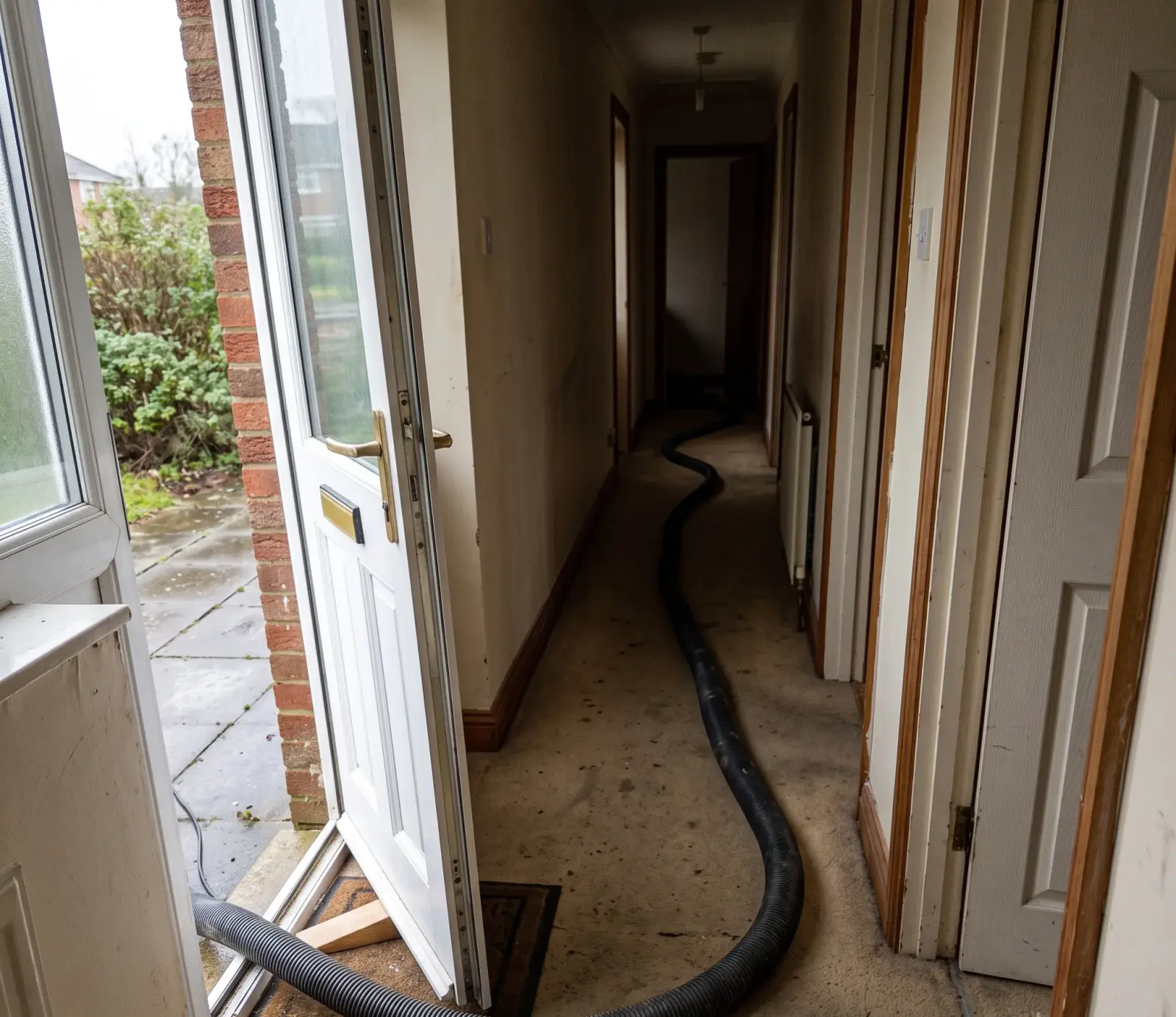
Ask the provider what equipment is suited to the pooled water and how it will be moved into place. Pumps or wet vacuums may collect standing water, depending on the site and conditions. The equipment footprint, power needs, hose route, and space for operation can affect which rooms remain accessible. Facility staff can point out limits that a general site description would miss. Discuss the setup area and removal path as part of the scope. Extraction addresses visible standing water; remaining moisture may need separate assessment and drying.
Name a facility contact who can meet the provider, arrange approved entry, and relay changes during the work. That contact should be able to reach facilities staff and clinical operations. If the person cannot approve a change, identify the decision-maker before arrival. Agree on how the provider will report progress and when the contact should check the work area. A defined communication path matters when rooms are occupied or access rules change. It also helps the team record which agreed tasks were completed.
Removal of pooled water does not show whether floors, walls, or other materials have dried. After extraction, moisture checks can help identify areas that may need drying equipment. Ask which observations mark the end of removal and which questions belong to a later drying assessment. Cleaning, source repair, and restoration also require separate decisions. In a care setting, clinical operations should decide when a room can return to use under facility procedures. The provider's completion notice should not stand in for that operational decision.
Commercial water extraction cost depends on the amount of standing water, affected room area, and conditions for entry. Restricted routes, occupied surroundings, and limited work windows can change the labor and equipment plan. A facility may also need coordination across several departments or separate work boundaries. Ask for a scope that explains which spaces and removal tasks are included. Any drying, cleaning, source repair, or restoration should be described separately. Comparing scopes helps facilities understand what drives the estimate without treating extraction as a complete recovery.
Before requesting service, facilities and clinical operations should agree on the affected spaces, entry rules, and workable hours. Identify the person who can authorize access and the contact who will update staff. Mark routes that equipment can use and note areas that must remain protected. Record any observed water beyond the main pool, but leave the work boundary open to review. These decisions give an independent extraction provider the site constraints needed to discuss a clear removal scope and practical arrival plan.
Location pages describe the places that have their own service information. Other covered areas connect through the same referral, so a facility can ask about its site without assuming a dedicated page exists. Share the facility type, affected rooms, access limits, and care activities that shape scheduling. The pros we connect you with can discuss the removal scope and site constraints. Keep internal approval with facility leadership, including decisions about room access and return to use. Ask how extraction completion will be communicated to the named contact.
Healthcare water extraction cost can rise when access is limited, care areas remain occupied, or equipment must use controlled routes. This page starts with internal coordination: facilities and clinical operations define where work can occur and which paths must stay usable. It then considers work boundaries and handoffs. Extraction removes pooled water; moisture checks, drying, cleaning, and restoration may require separate work. During a medical facility water emergency, compare the proposed removal scope with room restrictions and the facility’s operating plan before authorizing entry.
Place-specific service pages show where dedicated details appear; requests from other areas go through the same referral, with linked locations includingHomewood AL, Anniston AL and Auburn AL. Before dispatch, find out whether assessment is billed and request distinct scope notes for pumping and later drying.
Commercial quotes often start with a charge for each visit. The affected floor area and likely repeat service shape the total. $700–$1,400 provides a planning reference. Water behind fixed office desks can take longer to reach than an open floor. That changes labor and equipment needs.For businesses, water spread across separate work areas can change pump and labor needs, shifting the estimate. When calling, identify the areas still holding water, the access route, and any active source. Also note which work areas need to remain usable during removal.The pricing guide lists full cost ranges; commercial overview explains commercial removal and the checks that can guide next steps for moisture.
Restaurant Water Extraction
Hotel Water Extraction
School Water Extraction
Set work periods with clinical operations around the rooms that can be made available. If a treatment area must remain in use, identify an alternate route or defer entry until staff approve a workable window. Keep the extraction boundary clear as room use changes. The facility decides when an area is available; the provider can explain how the planned work fits those limits.
Describe the affected rooms, controlled doors, required escorts, and any equipment or cart limits. Point out where machinery could be placed without narrowing a care route. Name a facility contact who can resolve a change in room status. These details help the provider discuss an entry plan and identify constraints before equipment arrives.
No. Extraction removes pooled water from the listed areas. It does not establish that floors or other materials are dry, and it does not include room cleaning or restoration by itself. Ask which follow-up work is proposed after removal. Moisture assessment and drying may be separate steps, as may cleaning or repairs to the source of the water.
Facility leadership and clinical operations determine whether a room or route can be entered or returned to use. The extraction provider can describe the work area and equipment needs, but should not make care decisions. Assign an internal contact to review changing conditions and communicate any pause or access change to the people doing the removal.
Coordinate room access and care routes internally, then ask an independent extraction provider to review the facility’s constraints and removal scope.
Call (888) 369-0191