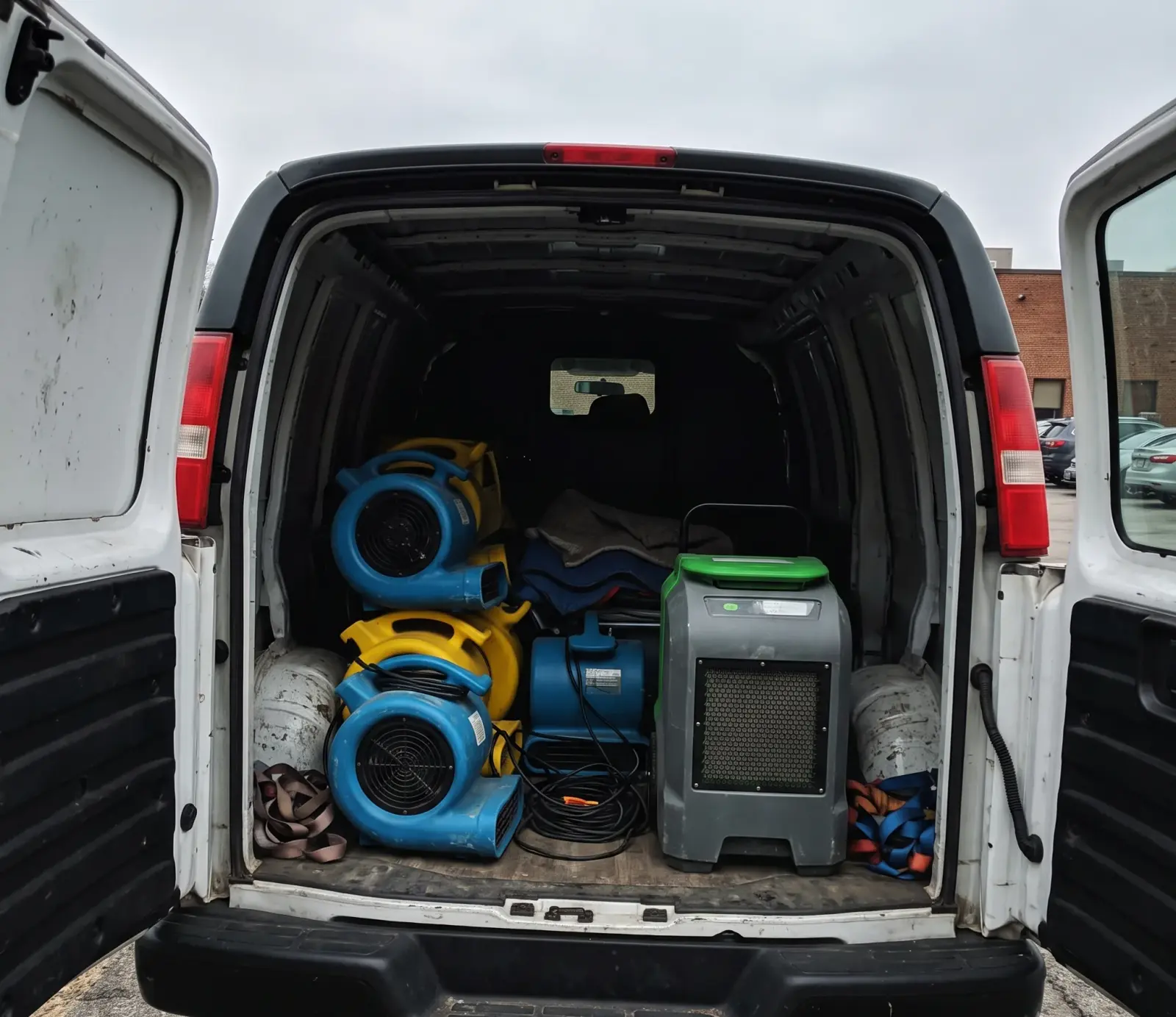
Electrical Exposure Around Standing Water
A prompt inspection can help limit how far water spreads into nearby rooms and materials. An extraction estimate should name affected areas, materials, equipment, scope, and charges that may change. Drying may be listed separately because removing pooled water does not dry building materials.
The same referral connects people outside the listed state pages with pros who handle water removal. Regional weather and building layouts can shape where water collects, but neither sets an individual estimate. The provider needs to document the conditions at the property and define the work area.
Calls may begin on a city or county page, while the referral process also links requests from other areas. The owner’s property address helps identify whether the pros we connect you with can respond there.
The Pooling Water Comes First
- WATER LOAD
- Water spread across connected rooms can expand the removal boundary and the time required for equipment.
- ROOMS
- Floor surfaces, furnishings, and equipment access can change setup and handling labor.
- SURFACES
- Drying equipment and source repairs are separate tasks that should be identified apart from water removal.
- ENTRY ROUTE
- The estimate should name included areas, explain charge assumptions, and describe how added work is handled.
- CHANGE TERMS
- Request a written breakdown of removal tasks, covered rooms, charge basis, excluded work, and how proposed changes will be approved.
- Water Source
- Season can affect when water enters, but it does not set extraction cost by itself. The amount and spread of water, surface types, and access shape the removal work. Ask the estimate to identify those conditions and any added tasks.
- LABOR NEEDS
- an estimated $250–$1,300
Records for Insurance Discussions
Water damage restoration cost can include removal, drying, repairs, and other work. Extraction cost concerns the task of removing standing water, so the written estimate should show which charges belong to each scope. Compare the estimate’s task descriptions. Extraction charges should refer to collecting pooled water; drying charges should identify equipment or work aimed at moisture remaining in materials. Ask for separate entries, time bases, and included areas for each task.
How Pooled Water Leaves Indoor Spaces
The provider reviews visible water, affected rooms, floor surfaces, and access before defining the extraction scope. Ask how any access limits affect the equipment listed for water removal. The written estimate should connect the proposed equipment and labor to the areas and conditions observed.
During removal, the provider extracts standing water from the agreed areas and documents the work. A moisture check may point to a separate need for drying equipment. Ask for moisture check results to be recorded separately from the extraction notes.
The removal area and any follow-on drying affect the cost. An exposed pool in one area may be cleared in one appointment. Water trapped under flooring or still entering needs more than extraction; ask which later checks or drying tasks are included in the plan.
WHEN WATER PICKUP IS ENOUGH AND WHEN DRYING MAY FOLLOW
| Written Record |
Entry Conditions |
|---|
| Water across finished living areas | Contaminated-water notice |
| Pooled water rebuilding after removal | Work records |
| Water spread from entry into adjoining rooms | Extraction with follow-on drying equipment |
POLICY TERMSThe facts provided identify no state license for this work. Rules differ by jurisdiction. Ask for an invoice naming the water removal tasks and areas addressed, with any separate drying or repair charges shown apart.
Where Hidden Water Can Remain
If water continues entering, it can spread into additional rooms and increase the area that needs removal. Water left in the property can also require further assessment and drying. The estimate should identify extraction separately from source repairs or other cleanup, so later work is not mistaken for part of the removal charge.
Arrange Entry Details Before Help Arrives
From a dry, safe location, a homeowner can photograph visible water, note affected rooms, and record blocked access or belongings. Keep people and pets away from unsafe areas. Do not enter standing water where electrical danger is possible. Leave water removal and any uncertain source or safety issue to qualified help.
Managing Contact With Standing Water
Standing water can be unsafe if it reaches powered equipment or damaged building parts. Keep people and pets away, stay on a dry route, and do not test outlets or appliances in the wet area. From a safe spot, note where water stops and what equipment may be involved. Have qualified help assess the area before extraction begins.
Learn What Water Removal Work Covers
When comparing quotes, check whether each covers the same rooms, water level, and access conditions; ask the pros we connect you with to state the removal cost.No local price band is supported here. A written estimate should tie the charge to the area needing extraction, water volume, access, and listed tasks. A clear task list also shows where water removal ends and separately scoped work begins. Ask whether a visit fee applies and get the work boundaries in writing before approval.The cost guide details the available ranges and what can change the final scope.